



What's Happening?
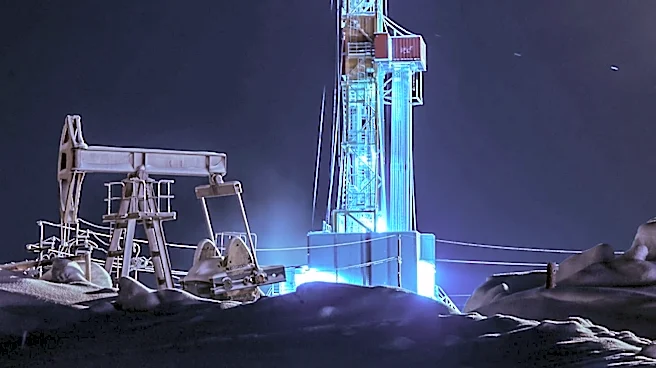
The Trump administration is exploring a proposal to exempt winter oil and gas exploration in the National Petroleum Reserve-Alaska (NPR-A) from certain environmental reviews. This initiative, confirmed by the Interior Department, involves creating a categorical
exclusion under the National Environmental Policy Act (NEPA). The goal is to expedite permitting for seismic and exploratory drilling operations within the 23 million-acre reserve. The Bureau of Land Management (BLM) asserts that previous environmental reviews indicate winter exploration, when conducted under established procedures and mitigation measures, results in no significant impacts. This move aligns with a broader administration strategy to streamline oil and gas permitting in the Arctic and maximize fossil fuel production from public lands. In 2025, the Trump administration reversed Biden-era restrictions on oil and gas development in the NPR-A and approved a drilling plan that opened 82% of the reserve to drilling.
Why It's Important?
This proposed environmental exemption holds significant implications for energy policy, environmental conservation, and economic development in Alaska. By accelerating permitting for oil and gas exploration, the administration aims to boost domestic fossil fuel production, potentially increasing energy independence and creating jobs in the energy sector. However, the NPR-A is a critical habitat for caribou, polar bears, and migratory birds, and is experiencing rapid warming due to climate change. Environmental groups, such as Grandmothers Growing Goodness and the Wilderness Society, have already challenged the administration's efforts to open the NPR-A to drilling, arguing that winter exploration, including the use of heavy seismic-testing vehicles, disrupts caribou migration and contributes to herd declines. This policy could intensify the conflict between energy development interests and environmental protection advocates, setting a precedent for future resource extraction projects in sensitive ecosystems.
What's Next?
The Interior Department is actively working on the proposed categorical exclusion, which is expected to be implemented as part of a broader rulemaking effort announced in May to streamline Arctic oil and gas permitting. The legal challenges against the Trump administration's drilling plans in the NPR-A are ongoing, with oral arguments in the case of Grandmothers Growing Goodness v. Burgum scheduled for October 5 in the U.S. District Court for the District of Alaska. The outcome of this legal battle will significantly influence the future of oil and gas development in the region. Stakeholders, including environmental organizations, energy companies, and Alaskan communities, will closely monitor these developments, potentially leading to further legal actions, public protests, or policy adjustments depending on the final decisions and their perceived impacts.
Beyond the Headlines
The consideration of a categorical exclusion for Arctic oil drilling highlights a fundamental tension between economic development and environmental stewardship, particularly in the context of climate change. This approach to environmental review, which seeks to bypass detailed assessments, raises questions about the long-term ecological consequences for a rapidly changing Arctic environment. The NPR-A's unique biodiversity and its role in global climate regulation make any industrial activity there a subject of international concern. Furthermore, the legal challenges underscore the increasing reliance on judicial intervention to mediate disputes over natural resource management. This situation could also influence future policy debates regarding the scope and application of NEPA, potentially leading to broader discussions about how environmental regulations are balanced against economic and energy security objectives across the United States.