



What's Happening?
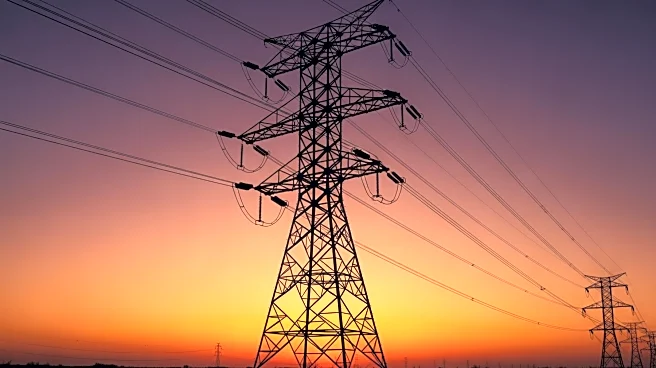
Grid infrastructure is expected to become a critical concern in 2026, as current limitations pose significant challenges to energy security and the transition to renewable energy. According to S&P Global's 'Horizons Top Trends 2026' report, underinvestment
in grid infrastructure has become a bottleneck, hindering the pace of energy decarbonization and innovation. The report highlights that the expansion of energy systems to meet AI-driven demand growth will be constrained by the grid's capacity. Emerging trends in grid modernization include grid-forming inverters, AI-driven digitalization, solid-state transformers, and grid-enhancing technologies.
Why It's Important?
The limitations of grid infrastructure have far-reaching implications for the energy sector and the broader economy. As nations strive to decarbonize and digitalize their energy systems, the grid's ability to support these changes is crucial. Insufficient grid capacity could slow the adoption of renewable energy sources, impacting efforts to combat climate change. Additionally, the integration of AI and other technologies into energy systems requires robust grid infrastructure to ensure reliability and efficiency. Addressing these challenges is essential for achieving energy security and supporting economic growth.
What's Next?
To address grid infrastructure constraints, significant investments in modernization and expansion are needed. Policymakers and industry leaders will likely prioritize funding for grid enhancements and explore innovative technologies to improve capacity and reliability. Collaboration between government, utilities, and technology providers will be crucial in developing solutions that support the energy transition. As these efforts progress, stakeholders will need to balance the demands of decarbonization, digitalization, and energy security to ensure a sustainable energy future.