




What's Happening?
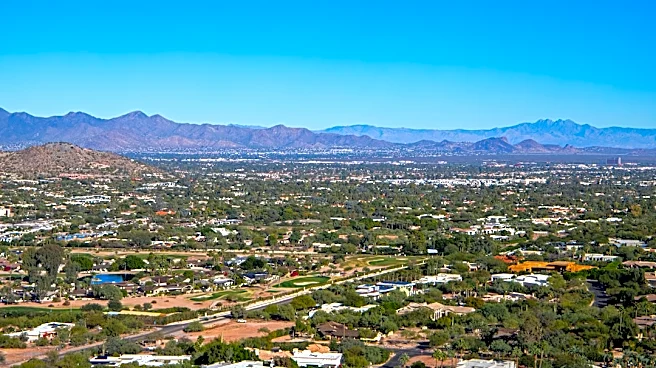
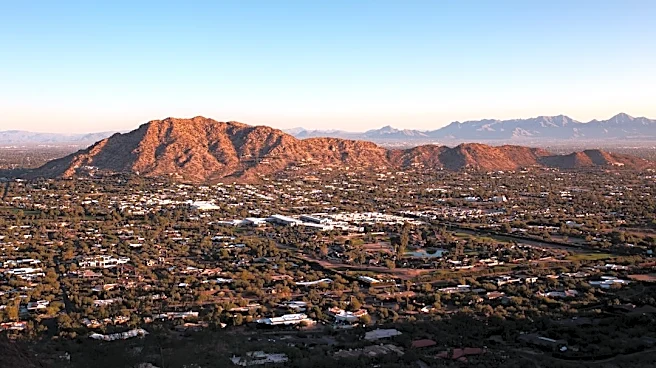
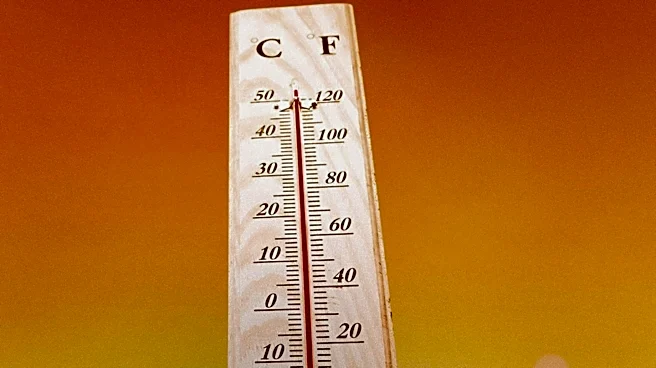
Phoenix, Arizona, is currently under an Extreme Heat Warning, with temperatures expected to reach between 106 and 110 degrees Fahrenheit this week. The National Weather Service issued the warning, which covers metro Phoenix, rural areas of western Maricopa
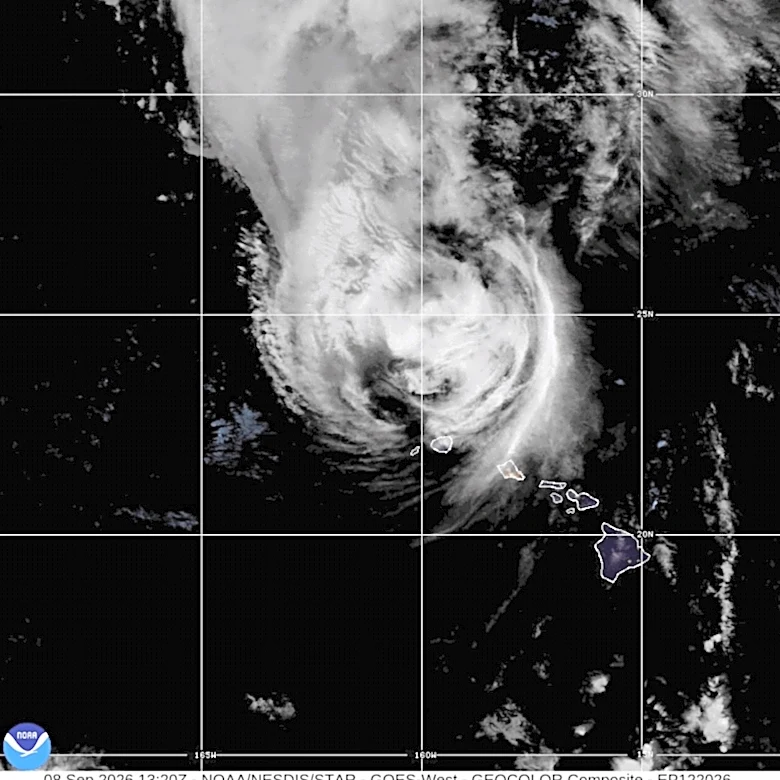
County, Yuma, and La Paz counties. Wednesday is projected to be the hottest day, with a possibility of breaking record highs. While some moisture from Tropical Storm Marie is flowing into parts of Arizona, rain chances in the Valley remain minimal, with only passing clouds and a few sprinkles expected. The combination of high daytime temperatures and overnight lows only dropping into the mid to upper 80s increases the risk of heat-related illnesses. Residents are advised to limit outdoor activities during peak heat, stay hydrated, and ensure children and pets are not left in vehicles.
Why It's Important?
The prolonged extreme heat in Phoenix carries significant public health and economic implications. High temperatures pose a severe risk of heatstroke, dehydration, and other heat-related illnesses, particularly for vulnerable populations such as the elderly, young children, and individuals with pre-existing health conditions. This necessitates increased strain on healthcare services and emergency responders. Economically, the heat can disrupt outdoor labor, reduce productivity, and increase energy consumption due to heightened demand for air conditioning, potentially leading to power outages. The minimal chances of rain, despite moisture from Tropical Storm Marie, highlight the persistent drought conditions in the region, which can exacerbate water scarcity issues and impact agriculture. The need for public awareness and preventative measures is critical to mitigate the adverse effects of this extreme weather event on the community.
What's Next?
The Extreme Heat Warning is in effect from Tuesday through Thursday. Following this period, the overall weather pattern is expected to shift, bringing a slight break in the intense heat. By next weekend, temperatures are forecasted to return to average levels for this time of year, ranging from 100 to 104 degrees. While rain chances for the Valley remain very low for the immediate future, there is a slight possibility of rain Friday night into early Saturday morning. Authorities will continue to monitor weather conditions and issue updates as necessary. Residents are urged to continue following safety guidelines, such as staying indoors during the hottest parts of the day and maintaining hydration, until the heat subsides. Emergency services will remain on alert to respond to heat-related incidents.
Beyond the Headlines
The recurring extreme heat events in Phoenix underscore broader challenges related to climate change and urban development in arid regions. The increasing frequency and intensity of heatwaves can lead to long-term environmental and social consequences. Urban heat island effects, where metropolitan areas experience higher temperatures than surrounding rural areas due to heat-absorbing infrastructure, further exacerbate the problem. This situation prompts critical discussions about sustainable urban planning, the development of green infrastructure, and effective public health strategies to adapt to a warming climate. The minimal rainfall also highlights the ongoing water management challenges in the Southwest, emphasizing the need for innovative solutions to ensure water security for a growing population amidst persistent drought conditions. These events serve as a stark reminder of the interconnectedness of climate, environment, and public well-being.