




What's Happening?
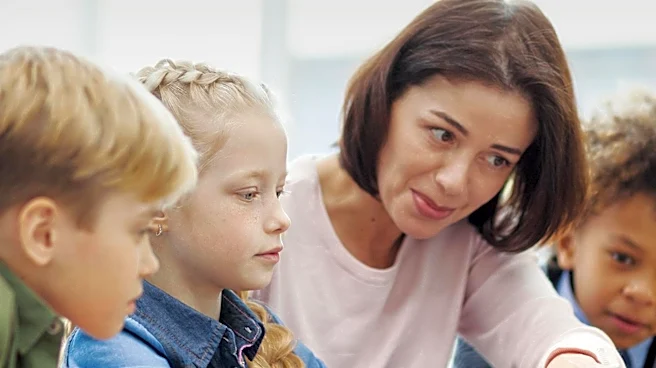
Experienced teachers are increasingly utilizing subtle, non-verbal strategies such as body language, tone of voice, and strategic movement to manage classrooms effectively. These methods, collectively referred to as 'teacher presence,' aim to prevent
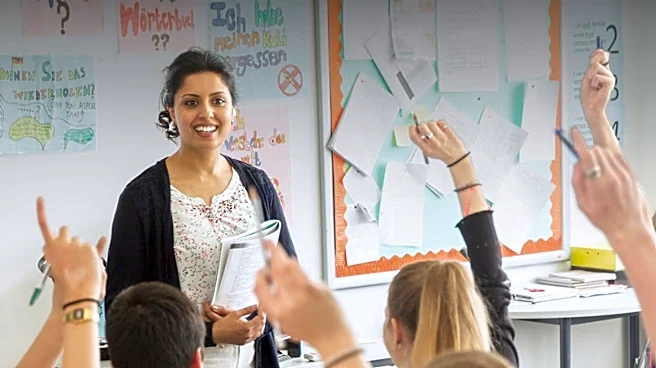
disruptions and redirect student behavior without resorting to overt corrections that can strain relationships. Research indicates that greeting students at the door can significantly increase academic engagement and decrease disruptive behavior. A 2022 study found that a supportive tone of voice, even with the same instructions, enhances students' feelings of competence and connection, while controlling tones erode trust. Teachers also use 'the look'—a quick, serious glance—and purposeful circulation throughout the room to address off-task behavior discreetly and ensure all students receive attention. This approach allows teachers to gather information about student understanding and engagement, making real-time adjustments to instruction.
Why It's Important?
The adoption of these nuanced classroom management techniques has significant implications for the U.S. education system. By reducing disruptive behavior and increasing student engagement, these strategies contribute to more productive learning environments, potentially improving academic outcomes. The emphasis on positive teacher-student relationships and supportive communication can foster a more inclusive and psychologically safe classroom culture, which is crucial for student well-being and long-term success. For teachers, mastering these subtle interventions can reduce the need for confrontational discipline, thereby decreasing stress and improving job satisfaction. This shift towards proactive, relationship-based management also addresses concerns about equitable treatment, as it encourages teachers to be mindful of how their non-verbal cues are perceived by diverse student populations, potentially mitigating unconscious biases in disciplinary actions.
What's Next?
The growing body of research supporting the effectiveness of non-verbal and relational classroom management strategies suggests a future trend in teacher training and professional development. Educational programs may increasingly incorporate modules on 'teacher presence,' emphasizing the importance of tone, body language, and strategic movement. Schools might also encourage peer observation and mentorship programs where veteran teachers can model and coach newer educators on these subtle techniques. Furthermore, the insights gained from studies on student perception of teacher communication could lead to the development of new tools or frameworks for self-assessment and feedback for teachers. The goal will be to integrate these nuanced approaches into standard teaching practices, moving beyond traditional disciplinary models to create more dynamic and responsive learning environments.
Beyond the Headlines
The focus on subtle classroom management techniques reflects a deeper understanding of human psychology and social dynamics within educational settings. It highlights the power of non-verbal communication in shaping perceptions, building trust, and influencing behavior. This approach moves beyond a transactional view of discipline—where rules are enforced and infractions punished—to a relational one, where mutual respect and understanding are paramount. It also underscores the ethical responsibility of educators to create equitable learning spaces, prompting critical reflection on how teacher actions, even subtle ones, can impact different students. By fostering a classroom culture where students feel seen, heard, and respected, these strategies contribute to the development of self-regulated learners and responsible citizens, preparing them not just academically but also socially and emotionally for future challenges.