






What's Happening?
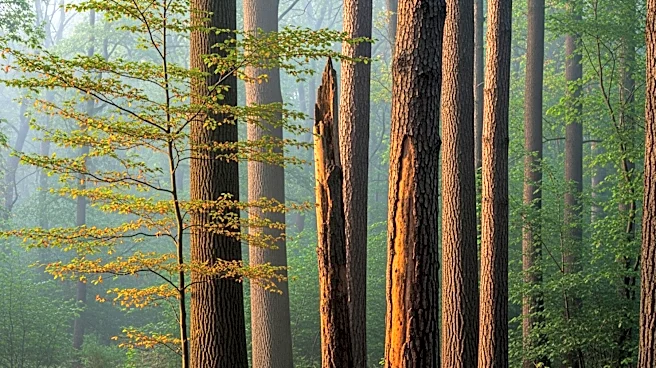
The city of Gig Harbor is set to remove 18 trees from Soundview Forest, a park known for its 100-year-old Douglas firs. This decision follows an arborist's report identifying several trees as dead or decaying, posing potential risks to people and property.
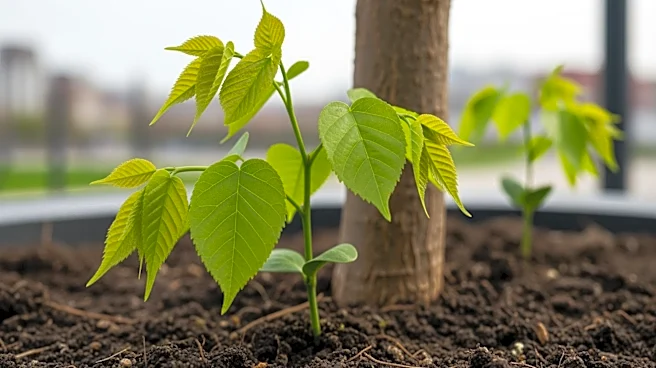
The park, which spans approximately 2.3 acres, contains 172 trees, including Douglas firs, red alders, big leaf maples, Pacific madrones, and cedars. The removal process is scheduled for April 23 and 24, during which the park and adjacent parking will be closed. The city plans to replace the removed trees with new, disease-tolerant species, donated by the Pierce Conservation District. Additionally, some tall stumps will be left standing for a potential art display as part of the 2026 Harbor Arbor Art Project.
Why It's Important?
The removal of these trees is significant as it addresses safety concerns while preserving the ecological balance of Soundview Forest. The decision reflects the city's commitment to maintaining public safety and environmental health. By replacing the removed trees with disease-tolerant species, Gig Harbor aims to ensure the long-term viability of the urban forest. This action also highlights the city's responsiveness to expert recommendations and community input, balancing preservation with necessary maintenance. The involvement of the Pierce Conservation District in donating replacement trees underscores the collaborative efforts to sustain local biodiversity.
What's Next?
Following the tree removal, Gig Harbor will focus on planting new trees to restore the park's landscape. The city will monitor the health of the remaining trees and continue to engage with community stakeholders to ensure the park's upkeep. The Harbor Arbor Art Project will proceed, utilizing the remaining stumps for artistic purposes, fostering community engagement and cultural enrichment. The city may also explore further conservation initiatives to enhance the park's ecological resilience.
Beyond the Headlines
The decision to remove trees from Soundview Forest reflects broader challenges in urban forestry management, where cities must balance ecological preservation with public safety. The delay in addressing the arborist's recommendations, influenced by factors such as the COVID-19 pandemic and staff turnover, highlights the complexities of municipal decision-making. This situation underscores the importance of proactive planning and resource allocation in maintaining urban green spaces.