



What's Happening?
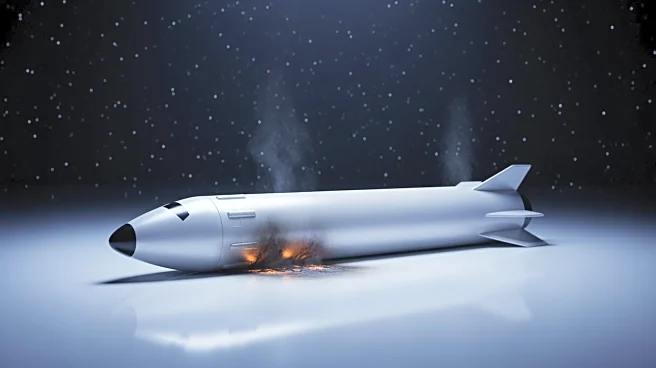
China's second attempt to complete a reusable rocket test with the Long March 12A ended in failure as the first stage was not successfully recovered. The rocket's second stage did enter its planned orbit, but the failure to recover the booster marks a setback
in China's efforts to compete with SpaceX's reusable rocket technology. Reusability is crucial for reducing launch costs, and China's inability to achieve this milestone highlights the challenges faced by its space program in catching up with established players like SpaceX.
Why It's Important?
The failure of China's reusable rocket test underscores the competitive nature of the global space race, where technological advancements are key to reducing costs and increasing access to space. China's efforts to develop reusable rockets are part of a broader strategy to enhance its space capabilities and compete with international leaders like SpaceX. Successful development of reusable technology could significantly lower launch costs, making space more accessible and potentially leading to increased commercial and scientific opportunities. The setback also highlights the technical challenges and high stakes involved in the space industry.