








What's Happening?
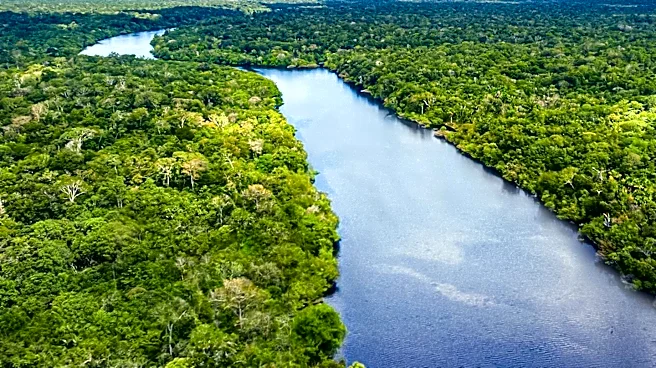
Deforestation in the Brazilian Amazon has decreased to its lowest level in a decade, with a 38% reduction in deforested area in the first half of 2026 compared to the previous year. This decline is attributed to increased political will and conservation
efforts. However, the forecasted 'super' El Niño poses a threat, potentially causing droughts and exacerbating fire risks. In response, Brazil has bolstered its firefighting resources and increased its budget to combat these challenges.
Why It's Important?
The reduction in deforestation is a positive sign for global environmental efforts, as the Amazon plays a crucial role in carbon sequestration and biodiversity. However, the looming threat of El Niño underscores the ongoing challenges posed by climate change. The situation highlights the need for sustained international support and collaboration to protect the Amazon, which is vital for global climate stability and ecological health.
What's Next?
Brazil's government and conservationists remain vigilant, preparing for the potential impacts of El Niño. Continued investment in firefighting and conservation efforts will be crucial to mitigate the effects of climate change. Monitoring and adaptive management strategies will be essential to ensure the long-term preservation of the Amazon Rainforest.