



What's Happening?
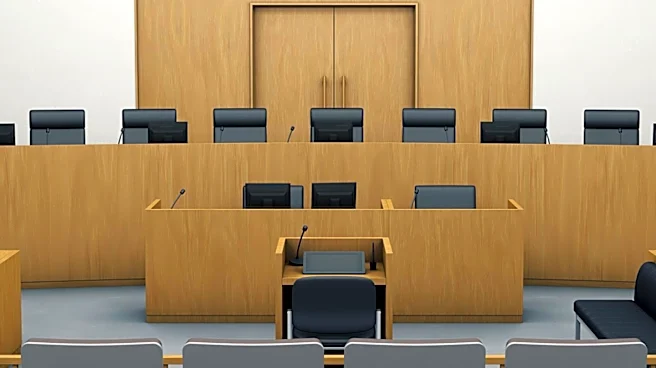
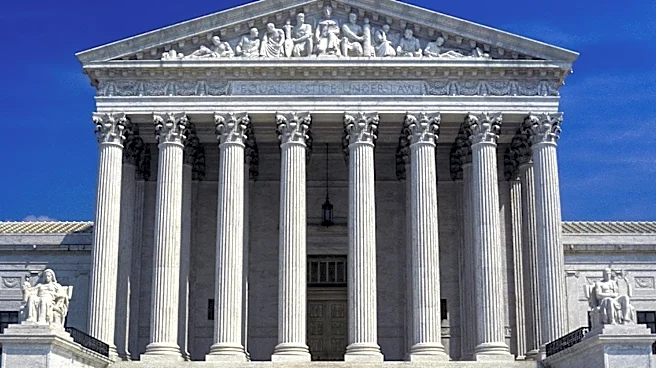
Supreme Court Justice Amy Coney Barrett is scheduled to deliver a video presentation for this year's Constitution Day educational activity, which features an online mock trial program for third-grade students. The program, initiated by District Judge
Robert Wonnell, has significantly expanded from a local Olathe, Kansas, event to a national and now international initiative. This year, over 45,000 third-graders from 47 states are expected to participate. The federal government has also requested the inclusion of classes from military bases, leading to over 70 third-grade classes on military bases across four continents joining the program. The mock trials, which involve students acting as jurors, aim to teach youth about the U.S. court system and the Constitution. The program's growth was accelerated by the shift to online formats during the COVID-19 pandemic, allowing for broader participation and the inclusion of high-profile speakers like Justice Barrett and Delaware Governor Matt Meyer.
Why It's Important?
The participation of a sitting Supreme Court Justice like Amy Coney Barrett in a program aimed at third-graders underscores the judiciary's commitment to civic education and public engagement. This initiative is crucial for fostering an early understanding of the U.S. Constitution and the judicial system among young citizens. By involving students directly in mock trials, the program promotes active learning and critical thinking about legal processes and civil discourse. The expansion to military bases globally highlights an effort to connect children of service members with American civic values, regardless of their location. This educational outreach can help demystify the judicial branch and instill a sense of civic responsibility, potentially influencing future generations' engagement with democratic institutions and the rule of law. It also serves as a proactive measure to educate the public about the Constitution, fulfilling a mandate in U.S. law (36 US Code 106) for government officials to offer such opportunities.
What's Next?
The program is expected to continue its annual Constitution Day activities, likely building on its expanded reach and the involvement of prominent legal figures. The organizers will probably assess the impact of Justice Barrett's participation and the international expansion on student engagement and learning outcomes. Future iterations may seek to further integrate technology and expand the curriculum to reach an even wider audience, potentially including more grade levels or specialized topics. The success of this year's program could encourage other high-ranking government officials and legal professionals to contribute, further enhancing the educational value and prestige of the initiative. The ongoing goal will be to deepen young Americans' understanding of their country's foundational legal document and the importance of civil discourse.
Beyond the Headlines
The involvement of a Supreme Court Justice in a children's educational program carries deeper implications beyond simple civic instruction. It subtly reinforces the legitimacy and accessibility of the judicial branch, potentially counteracting public perceptions of an opaque or distant legal system. By engaging with children, Justice Barrett helps to humanize the judiciary and foster trust in institutions that are often subject to intense political scrutiny. This initiative also highlights a broader trend of educational programs leveraging technology to overcome geographical barriers, making high-quality civic education available to diverse populations, including those abroad. Furthermore, the emphasis on civil discourse, even at a third-grade level, is a foundational step in cultivating a citizenry capable of engaging in respectful debate and understanding differing perspectives, which is vital for a healthy democracy.