








What's Happening?
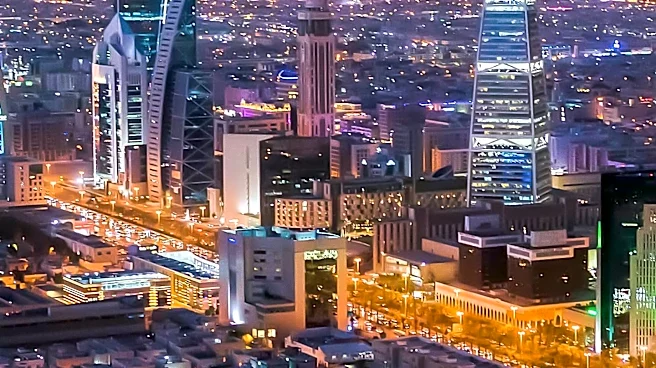
Saudi Arabia's Vision 2030, which includes ambitious ultra-luxury tourism projects like NEOM and The Line, is encountering significant market challenges. Despite substantial investment and strategic planning by top consulting firms, the projects are facing
systemic strain. The International Monetary Fund has raised concerns about the Kingdom's fiscal sustainability, noting a deceleration in non-oil GDP growth and increased fiscal exposure to oil price volatility. Reports indicate that Saudi Arabia is freezing some Western consulting contracts and rebalancing its megaprojects. The strategy's reliance on creating luxury destinations in areas lacking natural tourism appeal and the cultural conservatism of Saudi Arabia are seen as major hurdles.
Why It's Important?
The challenges faced by Saudi Arabia's tourism strategy highlight the complexities of aligning grand national visions with market realities. The Kingdom's approach of manufacturing luxury destinations without native tourism appeal and its cultural conservatism could limit its ability to attract the global luxury market. This situation underscores the importance of integrating cultural and economic realities into strategic planning. The outcome of these projects could have significant implications for Saudi Arabia's economic diversification efforts and its ability to attract international investment and tourism.
What's Next?
Saudi Arabia may need to reconsider its approach to ultra-luxury tourism, potentially shifting from ambitious construction to strategies that absorb existing oversupply. This could involve repositioning assets, securitizing them, or repurposing them for other uses. The Kingdom might also explore limited cultural policy changes in isolated areas to enhance its tourism appeal. These adjustments could help Saudi Arabia manage its fiscal challenges and align its tourism strategy with market demands.
Beyond the Headlines
The situation in Saudi Arabia offers broader lessons for global strategic decision-makers. It highlights the risks of substituting grand narratives for feasibility analysis and the importance of respecting cultural and economic boundaries. The case illustrates the need for strategies that are grounded in market discipline and cultural realities, rather than relying solely on capital investment and ambitious narratives.