







What's Happening?
A comprehensive course, FST-106 Firefighter I and II, is being offered, focusing on the performance requirements and practical skills necessary for firefighters. This program is based on the National Fire Protection Association (NFPA) 1001, 'Standard
for Fire Fighter Professional Qualifications,' current edition. The curriculum covers a wide range of topics essential for firefighting, including fire service orientation, safety protocols, fire behavior, and the use of self-contained breathing apparatus. Additionally, students will learn about ropes, hoses, ladders, rescue techniques, ventilation, salvage, overhaul, portable fire extinguishers, emergency medical care, fire control, water supply, and fire prevention. Successful completion of this course, along with meeting the requirements of the Missouri Division of Fire Safety, will qualify individuals for certification as Firefighter I and II.
Why It's Important?
This course is crucial for maintaining high standards within the U.S. fire service by aligning with national guidelines set by the NFPA. By ensuring that firefighters are trained to a consistent and rigorous standard, it enhances their ability to respond effectively to emergencies, thereby improving public safety and reducing property damage across communities. The emphasis on practical skills and comprehensive knowledge prepares individuals for the demanding and diverse challenges faced by modern firefighters, from structural fires to emergency medical incidents. This standardized training also facilitates interoperability among different fire departments and agencies, which is vital during large-scale emergencies or mutual aid operations. Ultimately, this program contributes to a more professional and capable firefighting workforce, benefiting both emergency responders and the general public.
What's Next?
Individuals who successfully complete the FST-106 Firefighter I and II course and meet the Missouri Division of Fire Safety requirements will be eligible for Firefighter I and II certification. This certification is a critical step for aspiring firefighters to officially join fire departments and begin their careers in emergency response. The ongoing availability and adherence to national standards in such training programs will continue to ensure a steady supply of qualified personnel for fire services nationwide. Furthermore, continuous updates to the NFPA standards will likely lead to periodic revisions in course content, ensuring that training remains current with evolving firefighting techniques and technologies. This commitment to ongoing education and certification will help maintain the readiness and effectiveness of the U.S. fire service.
Beyond the Headlines
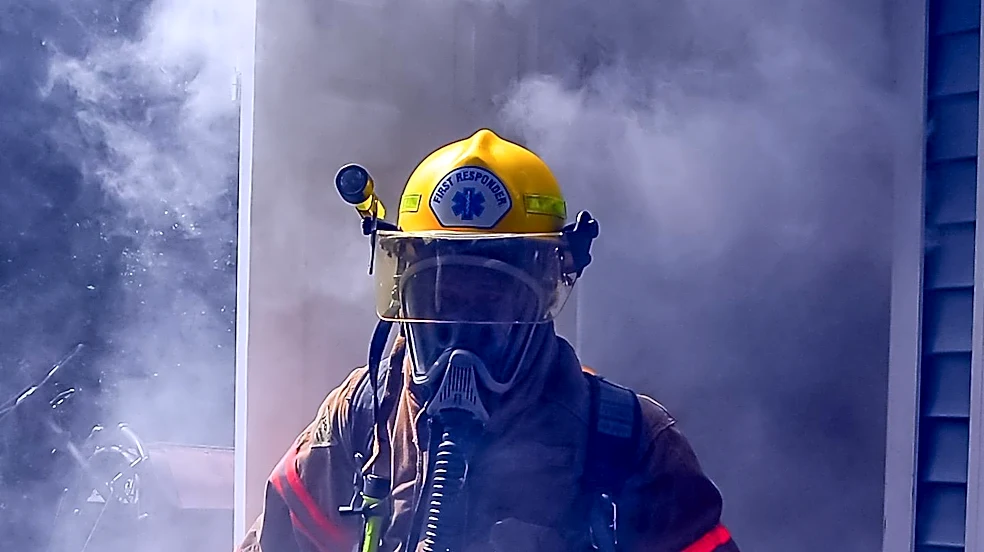
The standardization of firefighter training, as exemplified by adherence to NFPA 1001, has broader implications for public trust and safety. It establishes a baseline of competence and professionalism that reassures communities about the capabilities of their emergency responders. This consistent training also fosters a culture of safety within fire departments, reducing risks for firefighters themselves. Moreover, the inclusion of emergency medical care in the curriculum highlights the evolving role of firefighters as first responders to a wide array of incidents beyond just fires. This multidisciplinary approach reflects a growing recognition of the comprehensive emergency services required in modern society, underscoring the critical and multifaceted contributions of firefighters to community well-being and resilience.