


What's Happening?
The European Union has introduced new sanctions targeting Russian oil traders, specifically Murtaza Lakhani and Etibar Eyyub, for allegedly helping Russia circumvent Western sanctions on crude exports. These measures are part of the EU's ongoing efforts
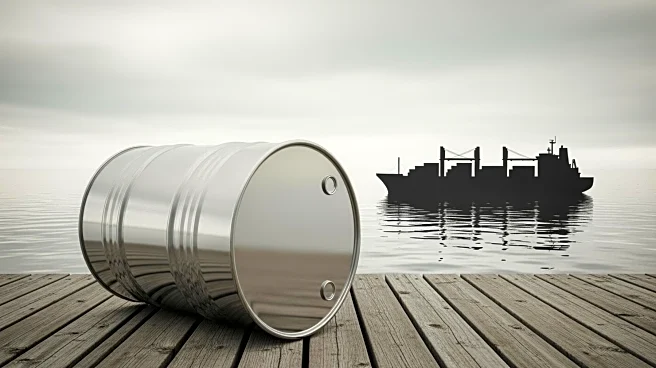
to restrict Russia's ability to fund its military activities in Ukraine. The sanctions prohibit EU citizens from engaging in business with the listed individuals and companies, thereby limiting their access to shipping and insurance services. Despite these efforts, Russia continues to sell oil to countries like India and China, often at discounted rates, using a 'shadow fleet' of vessels that operate outside the Western maritime industry. The EU has already imposed 19 packages of sanctions, listing over 2,600 individuals and companies. However, Russia has adapted to many of these measures, maintaining significant oil exports.
Why It's Important?
The EU's sanctions are significant as they aim to disrupt Russia's oil trade, a major source of revenue for the country. By targeting key traders and companies, the EU seeks to tighten the economic pressure on Russia. However, the effectiveness of these sanctions is debatable, as Russia has managed to continue its oil exports through alternative routes and methods. This ongoing trade, particularly with major economies like India and China, highlights the challenges in enforcing international sanctions. The situation underscores the complexities of global trade and the difficulties in isolating a major oil producer like Russia. The sanctions also have broader implications for global oil markets, potentially affecting shipping costs and oil prices worldwide.
What's Next?
The EU is expected to expand its list of sanctioned entities, potentially including more vessels in Russia's shadow fleet. This could further strain Russia's oil export capabilities, although the long-term effectiveness remains uncertain. The EU's actions may prompt Russia to seek new trading partners or develop alternative shipping routes. Additionally, the sanctions could lead to increased diplomatic tensions between the EU and countries that continue to trade with Russia. The global community will be watching closely to see how these measures impact Russia's economy and its ability to sustain its military operations.
Beyond the Headlines
The sanctions raise ethical and legal questions about the balance between economic pressure and humanitarian impact. Critics argue that such measures can inadvertently harm ordinary citizens by exacerbating economic hardships. The situation also highlights the geopolitical dynamics at play, as countries navigate their relationships with Russia amid international pressure. The effectiveness of sanctions as a tool for achieving political objectives remains a topic of debate, with this case serving as a critical example of their limitations and potential unintended consequences.