





What's Happening?
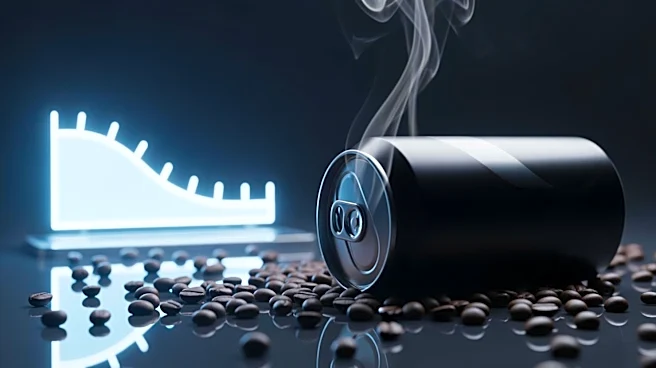
Consumer Reports conducted an investigation into the caffeine content of 23 popular energy drinks, revealing that many of these beverages contain significantly more caffeine than indicated on their labels. The study found that some drinks had up to 16
percent more caffeine than advertised, with many exceeding the daily recommended caffeine limit for teenagers, which is 100 mg. This overconsumption of caffeine can lead to health issues such as insomnia, anxiety, jitters, and heart-related symptoms, particularly affecting teenagers who are more vulnerable to these effects. The American Beverage Association has emphasized the role of parents in monitoring their children's beverage consumption.
Why It's Important?
The findings from Consumer Reports highlight a significant public health concern, particularly for teenagers who are frequent consumers of energy drinks. The discrepancy between labeled and actual caffeine content can lead to unintentional overconsumption, posing risks to adolescent health. This issue underscores the need for stricter regulation and accurate labeling in the beverage industry to protect consumers, especially younger ones. The potential health implications could lead to increased scrutiny from health organizations and possibly influence future policy decisions regarding the marketing and sale of energy drinks to minors.
What's Next?
In response to these findings, there may be calls for more stringent regulatory oversight on the labeling of energy drinks. Health advocacy groups could push for legislation requiring clearer labeling and possibly restricting the sale of high-caffeine beverages to minors. Additionally, educational campaigns might be launched to raise awareness among parents and teenagers about the risks associated with excessive caffeine consumption. The beverage industry might also face pressure to self-regulate and ensure that their products are accurately labeled to avoid potential legal and reputational repercussions.