

What's Happening?
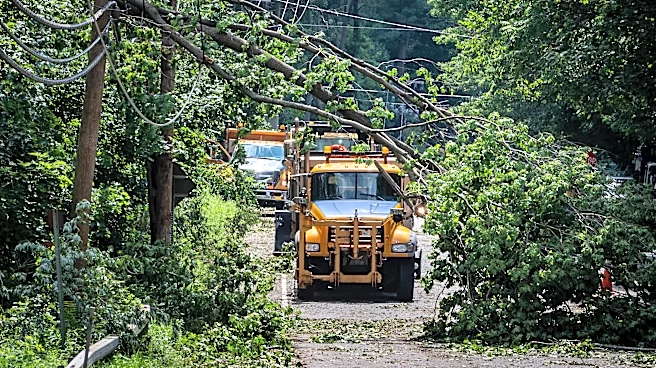
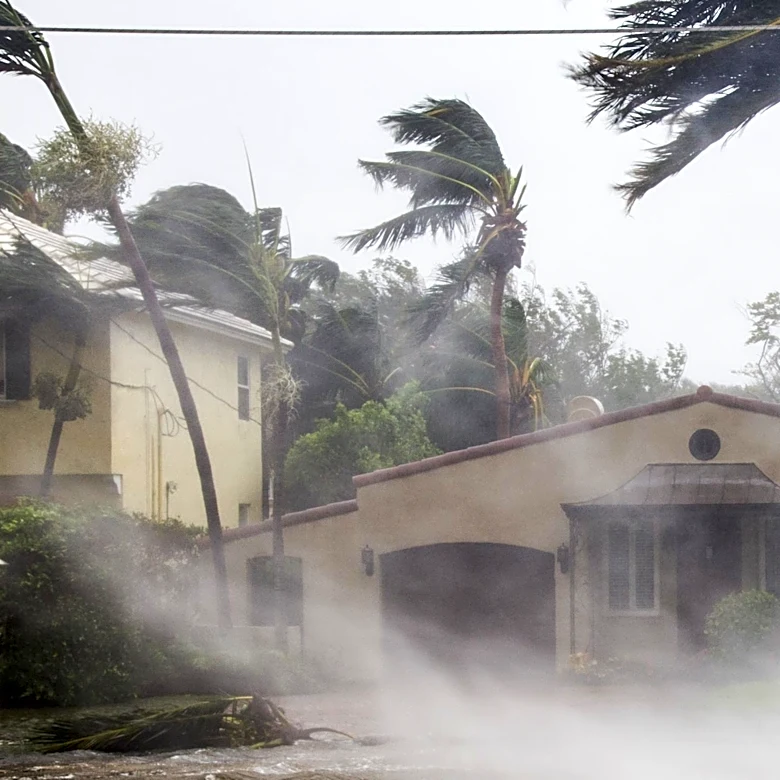
CPS Energy held a meeting in San Antonio to address concerns from residents regarding widespread power outages that occurred in August due to high winds and rain. Over 112,000 people lost power, particularly impacting the West Side of San Antonio. Residents
expressed frustration over the slow response and lack of communication following the storm. Frank Almaraz, CPS Energy’s interim CEO, acknowledged the utility's shortcomings and committed to improvements. A consultant, First Quartile, hired by CPS Energy, analyzed the response and noted the storm's unusual rapidity, reaching peak intensity in two hours, which complicated preparation and immediate recovery efforts. The utility is implementing strategies such as quicker damage assessment through smaller crews and drones, improved communication with affected residents, and ongoing infrastructure upgrades like installing smart switches and increasing tree trimming efforts. CPS Energy meteorologist Brian Alonzo also warned of a potentially wetter-than-normal winter due to a 'Super El Niño' pattern.
Why It's Important?
This event highlights critical issues in urban infrastructure resilience and emergency response, particularly in the face of increasingly extreme weather patterns attributed to climate change. For San Antonio, a major U.S. city, prolonged power outages can severely disrupt daily life, impact local businesses, and pose significant health and safety risks, especially in vulnerable communities. The utility's commitment to improving its response and infrastructure is vital for public trust and economic stability. The discussion around resource allocation during outages, with CPS Energy stating it prioritizes restoring power to the largest number of customers first, underscores a common challenge faced by utilities nationwide. Furthermore, the proactive measures, such as installing smart switches and enhanced tree trimming, represent a broader trend in the utility sector to harden grids against climate-related threats, which could influence best practices and regulatory expectations for other U.S. energy providers.
What's Next?
CPS Energy plans to implement several improvements based on the August storm's lessons. These include deploying smaller crews and drones for faster damage assessment and enhancing communication with residents during outages. The utility is also accelerating its infrastructure resilience programs, such as installing more smart switches to isolate outages and routing power more efficiently, with a target of 3,000 installations. Tree trimming cycles will be maintained on a nine-year schedule, with higher-risk areas receiving more frequent attention. Additionally, CPS Energy is developing in-house models and simulations to better predict outage duration and impact. Residents can expect a potentially wetter winter due to the 'Super El Niño' pattern, and CPS Energy is preparing for this by staging crews and resources. The utility's board chair, Francine Romero, emphasized that including extreme weather into planning is a major focus, indicating a long-term commitment to adapting to climate change.
Beyond the Headlines
The San Antonio power outage incident reveals deeper societal implications beyond immediate service disruptions. The disproportionate impact on the West Side, one of San Antonio's poorest neighborhoods, raises questions about environmental justice and equitable resource distribution during crises. Residents' testimonies about walking the streets for days without aid highlight potential systemic vulnerabilities in emergency response for underserved communities. The utility's stated policy of prioritizing repairs that serve the most customers, while seemingly efficient, can inadvertently leave smaller, often marginalized, communities without power for extended periods. This situation underscores the ethical dilemma faced by utilities in balancing efficiency with equity. The broader context of climate change and its role in increasing the frequency and intensity of extreme weather events suggests that such infrastructure challenges will become more common across the U.S., necessitating a re-evaluation of emergency preparedness, community engagement, and equitable recovery strategies at both local and national levels.