

What's Happening?
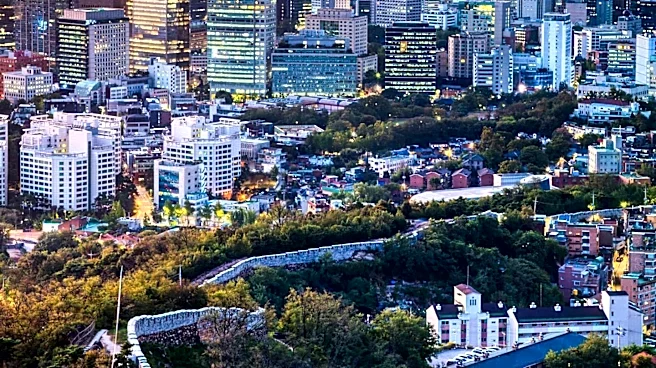
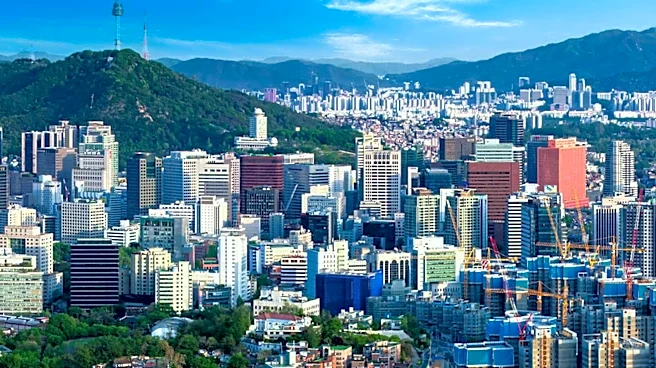
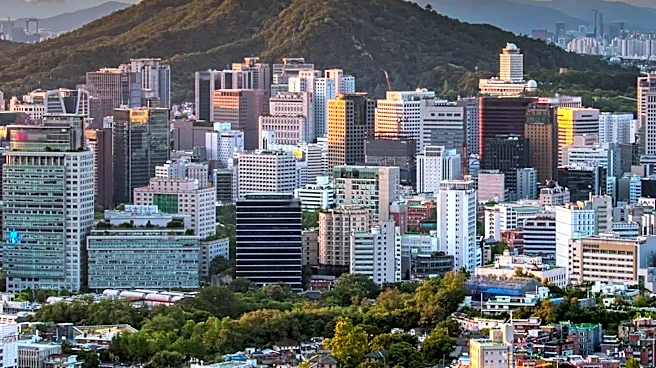
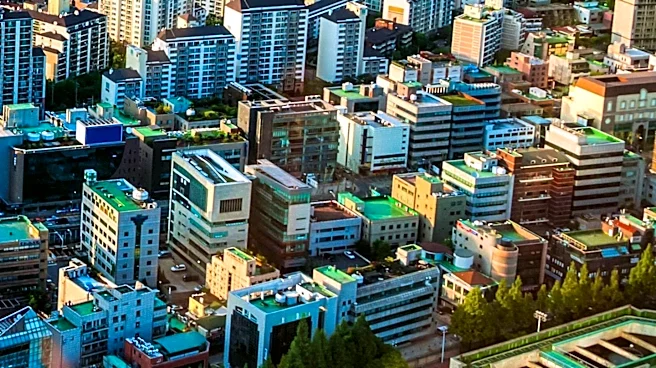
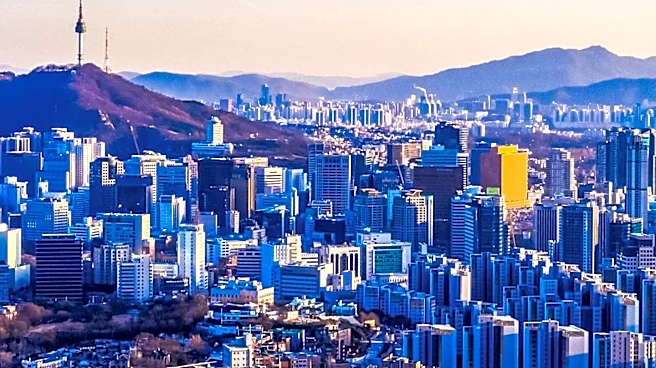
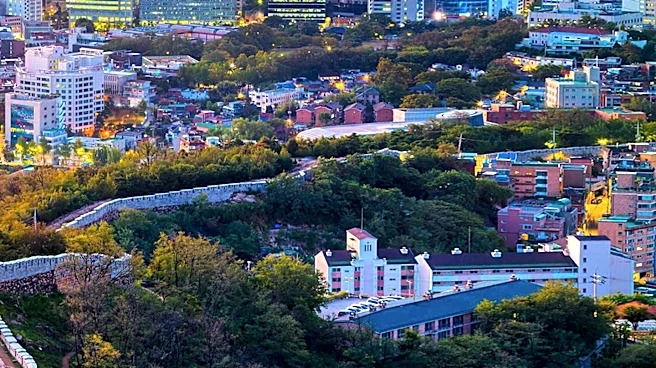
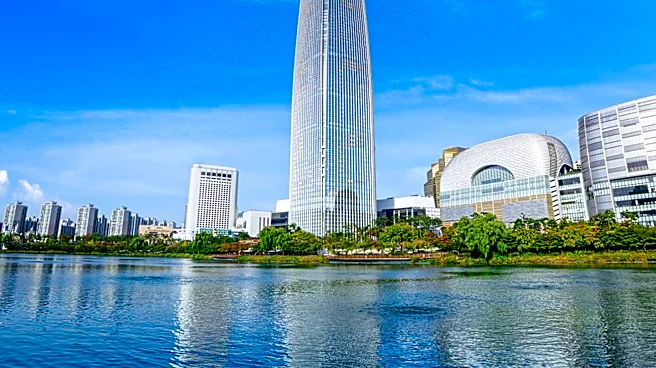
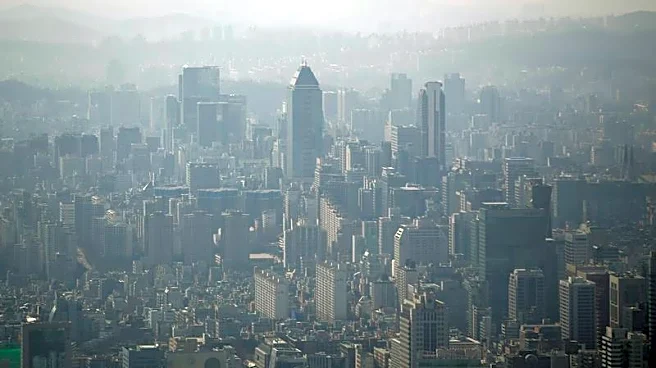
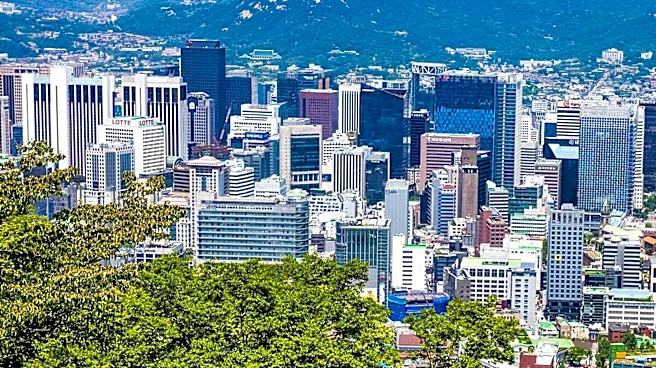
South Korea has issued its highest-level heat alert across Seoul, as President Lee Jae Myung calls the ongoing heatwave a national disaster. The Korea Meteorological Administration expanded the severe heat warning to cover all districts of the capital,
following record temperatures in Yangsan. The alert advises halting outdoor activities, except for essential work. The government is mobilizing resources to protect vulnerable populations, including those in cramped housing and elderly residents. Measures include stricter monitoring of outdoor workplaces and ensuring workers' rights to suspend operations during extreme heat.
Why It's Important?
The heatwave underscores the urgent need for effective climate adaptation strategies in South Korea. The government's response highlights the challenges of protecting public health and maintaining economic stability amid extreme weather conditions. Vulnerable groups, such as the elderly and outdoor workers, face increased risks, necessitating comprehensive support measures. The situation also raises questions about the resilience of infrastructure and the capacity of emergency services to handle prolonged heat events. The economic implications are significant, with potential disruptions to labor and increased energy demands.
What's Next?
South Korea is likely to continue its emergency response, focusing on public safety and infrastructure resilience. The government may introduce additional measures to support vulnerable populations and enforce regulations on outdoor work. The heatwave could prompt further discussions on climate policy and adaptation strategies, both within South Korea and in international forums. Monitoring weather patterns and potential influences from Typhoon Dolphin will be crucial in managing the ongoing crisis.