



What's Happening?
The Sálim Ali Centre for Ornithology and Natural History (SACON) has announced a recruitment drive for a Project Associate position focused on researching microplastic contamination in wetland ecosystems. This opportunity is part of a government research initiative
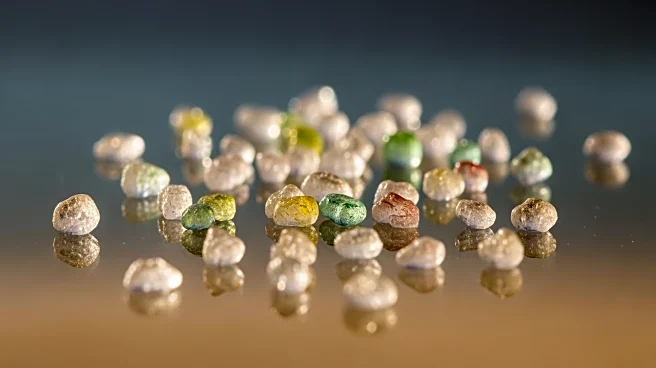
under the Ministry of Environment, Forest & Climate Change in India. The project aims to quantify microplastic contamination across spatial, temporal, and trophic distributions in inland wetlands. The position is open to postgraduates in life sciences or environmental sciences with at least two years of relevant research experience. The selected candidate will conduct field surveys, collect and process samples, and engage with local communities to develop sustainable conservation plans. The role offers a monthly stipend of Rs.42,000 plus HRA for qualified candidates, with a slightly lower stipend for those without specific qualifications.
Why It's Important?
This recruitment is significant as it addresses the growing concern of microplastic pollution, which poses a threat to biodiversity and ecosystem health. By focusing on wetland ecosystems, the project aims to provide critical data that can inform conservation strategies and policy decisions. The research will contribute to a better understanding of how microplastics affect aquatic life and ecosystems, potentially influencing environmental regulations and public awareness. The involvement of local communities and government departments highlights the collaborative approach needed to tackle environmental challenges. This initiative not only supports scientific research but also enhances the capacity for environmental management and policy development.
What's Next?
The application deadline for this position is March 6, 2026, with interviews to be conducted online for shortlisted candidates. Successful applicants will begin work on the project, collaborating with various stakeholders, including the forest department and local communities. The research findings are expected to contribute to the development of sustainable management plans for wetland ecosystems. As the project progresses, it may lead to further research opportunities and collaborations aimed at mitigating microplastic pollution. The outcomes could also influence future funding and policy initiatives related to environmental conservation and pollution control.