



What's Happening?
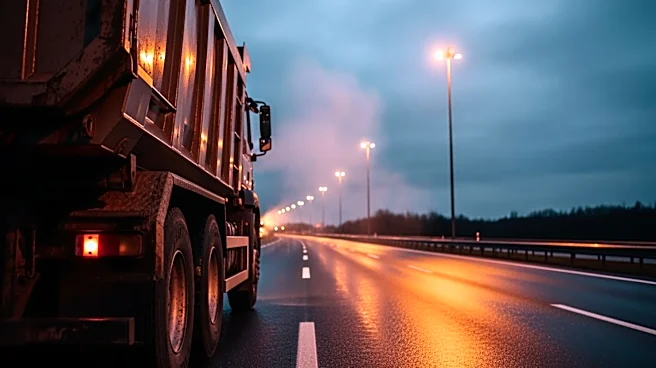
A dump truck fire on I-76 in Philadelphia led to significant traffic delays as westbound lanes near City Avenue were temporarily blocked. The incident caused a backup, affecting commuters and disrupting the flow of traffic in the area. Emergency services
responded to the scene to manage the situation and clear the roadway. The fire's cause and the extent of any damage or injuries have not been detailed, but the incident highlights the vulnerability of urban traffic systems to unexpected disruptions.
Why It's Important?
Traffic disruptions like the one caused by the dump truck fire on I-76 can have widespread implications for urban mobility and economic activity. Delays can lead to increased fuel consumption and emissions, impacting environmental sustainability. For commuters, such incidents can result in lost time and productivity, affecting both personal and professional schedules. The event underscores the importance of efficient traffic management and emergency response systems in minimizing the impact of such disruptions on urban life.
What's Next?
Authorities will likely investigate the cause of the fire to prevent similar incidents in the future. Traffic management strategies may be reviewed to improve response times and minimize disruption during emergencies. Commuters may seek alternative routes or modes of transportation to avoid future delays. The incident could prompt discussions on infrastructure improvements and the need for robust contingency plans to handle unexpected traffic disruptions effectively.