

What's Happening?
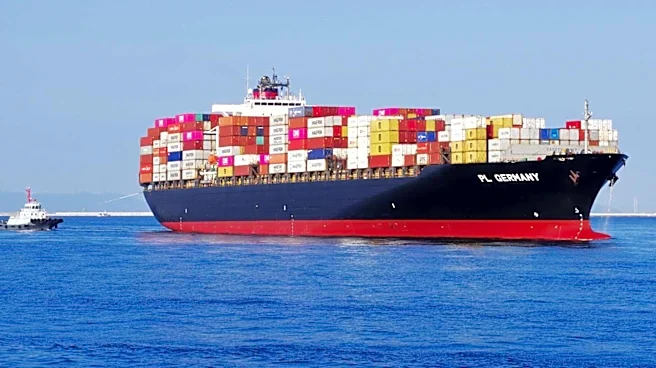
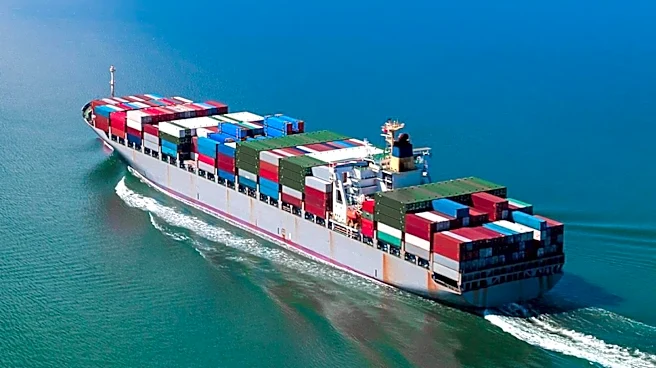
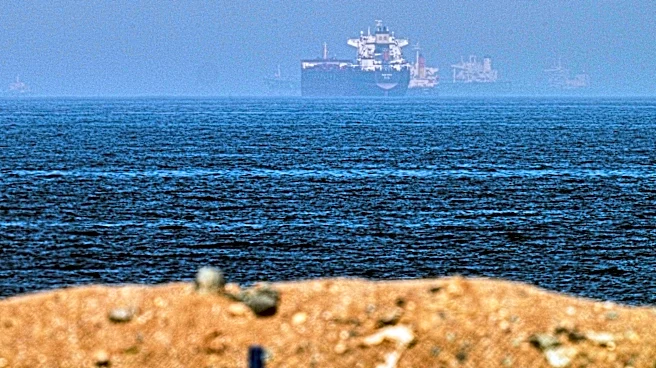
Global shipping groups have expressed opposition to a proposed deal between Iran and Oman that includes the imposition of transit fees for ships passing through the Strait of Hormuz. In an open letter to UN Secretary General Antonio Guterres and IMO Secretary General Arsenio
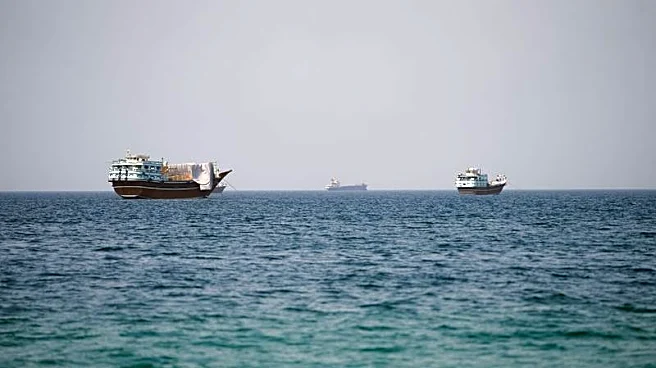
Dominguez, leaders from eight major shipping organizations argued that such fees would disrupt international trade and set a concerning precedent. The proposed fees, ranging from 5% to 7% by Iran and around 3% by Oman, could significantly impact global shipping costs and supply chains. The Strait of Hormuz is a critical maritime passage, handling a substantial portion of the world's petroleum and liquefied natural gas supply.
Why It's Important?
The introduction of transit fees in the Strait of Hormuz could have far-reaching implications for global trade and energy markets. As a major chokepoint for oil and gas shipments, any additional costs could lead to increased energy prices and inflation, affecting economies worldwide. The proposal also raises concerns about the potential for similar measures in other strategic waterways, which could undermine the established legal framework governing international navigation. The shipping industry's response highlights the importance of maintaining free and open access to key maritime routes to ensure economic stability and energy security.
What's Next?
The international community, including major shipping nations and organizations, will likely engage in diplomatic efforts to address the proposed fees and seek a resolution that maintains free passage through the Strait of Hormuz. The outcome of these discussions could influence future policies on maritime navigation and transit fees. Additionally, the situation may prompt a reevaluation of global energy supply chains and strategies to mitigate potential disruptions in key shipping routes.