
What's Happening?
Cuba has released over 2,000 prisoners in response to severe economic and energy challenges exacerbated by U.S. sanctions. The Cuban government granted pardons to 2,010 inmates, citing good behavior, time
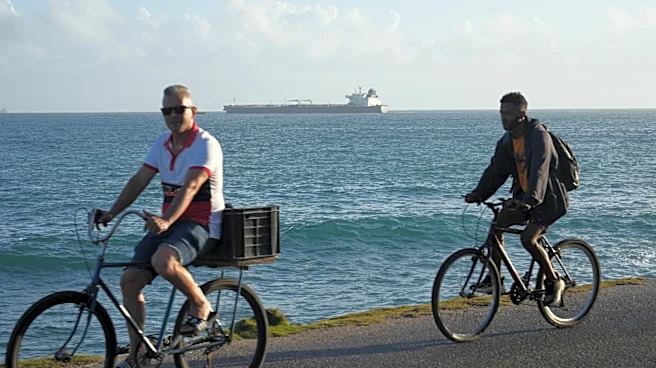
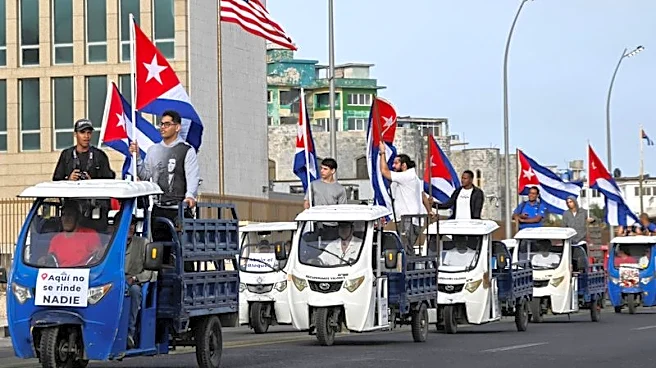
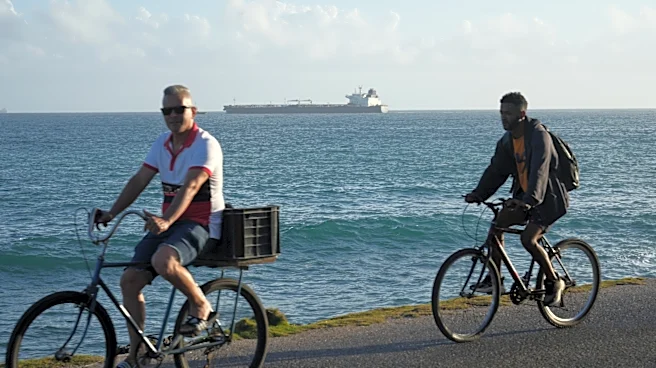
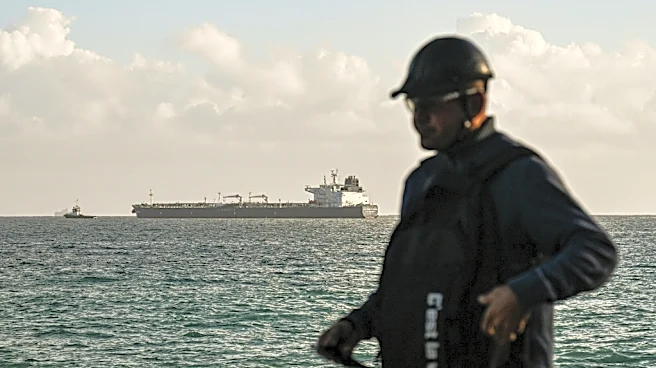
served, and health conditions as factors. This release, which excludes those convicted of serious crimes, coincides with Holy Week, a customary period for such actions. The move comes amid a deepening crisis driven by the Trump administration's pressure campaign, which aims to cut off Cuba's access to foreign oil. This has led to fuel shortages, blackouts, and unrest across the island. President Trump has threatened tariffs on countries supplying oil to Cuba and pressured nations like Mexico to halt shipments. Despite these tensions, the U.S. recently allowed a fuel tanker to deliver to Cuba, framing it as a humanitarian exception.
Why It's Important?
The release of prisoners in Cuba highlights the significant impact of U.S. foreign policy on the island's internal affairs. The Trump administration's sanctions have intensified Cuba's economic struggles, leading to critical shortages and social unrest. This situation underscores the broader geopolitical tensions between the U.S. and Cuba, with potential implications for international relations and humanitarian conditions. The release may also reflect Cuba's strategic response to external pressures, aiming to alleviate domestic tensions and improve its international image. The humanitarian gesture could influence future diplomatic engagements and negotiations between the two nations.
What's Next?
The ongoing economic and energy crisis in Cuba is likely to continue influencing the country's domestic and foreign policies. The Cuban government may seek further diplomatic solutions to mitigate the impact of U.S. sanctions. Meanwhile, the U.S. administration's stance on Cuba could evolve, depending on international reactions and domestic political considerations. The situation may prompt further discussions on humanitarian aid and economic support from other nations. Additionally, the release of prisoners could lead to increased scrutiny of Cuba's human rights record and its handling of political dissent.