






What's Happening?
Asia is experiencing a significant economic strain due to a second wave of energy shocks stemming from the ongoing Iran war. The conflict has disrupted the flow of energy through the Strait of Hormuz, a crucial passage for energy supplies to Asia. Initial
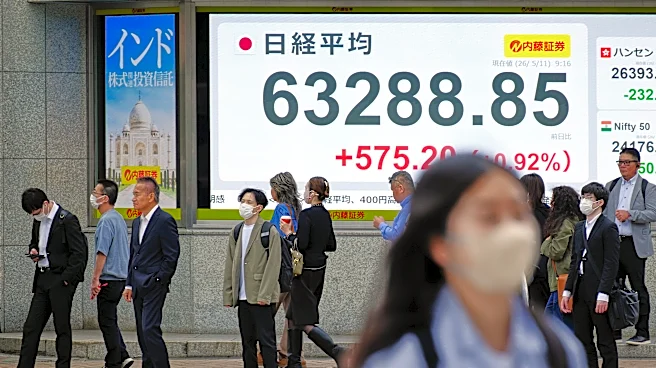
measures taken by governments, such as conserving power and redirecting gas supplies, were based on the assumption of a short-lived conflict. However, as the war persists, these strategies are proving insufficient. The United Nations Development Program estimates that the conflict could push 8.8 million people into poverty and result in $299 billion in economic losses for the Asia-Pacific region. Countries like India, the Philippines, Thailand, and Vietnam are facing rising costs in airfare, shipping, and utilities, which are threatening economic growth and stability.
Why It's Important?
The ongoing energy crisis in Asia has significant implications for global economic stability. As Asian countries struggle to manage rising energy costs, the economic ripple effects are felt worldwide, including in the United States. The increase in energy prices is contributing to inflationary pressures, affecting consumer prices and business operations. The situation highlights the vulnerability of global supply chains and the interconnectedness of international markets. The crisis also underscores the challenges faced by developing nations in managing energy dependencies and the potential for increased geopolitical tensions as countries vie for limited resources. The economic strain could lead to social unrest and political instability in affected regions, further complicating international relations.
What's Next?
In response to the ongoing crisis, Asian countries are exploring long-term solutions to diversify their energy sources and reduce dependency on fossil fuels. This includes investments in renewable energy and nuclear power. Governments are also considering policy changes to manage subsidies and public spending more effectively. The situation is likely to prompt a reevaluation of energy security strategies and international cooperation to stabilize energy markets. As the conflict continues, the global community will need to address the broader implications of energy shortages and work towards sustainable solutions to prevent future crises.
Beyond the Headlines
The energy crisis in Asia is not just an economic issue but also a catalyst for broader geopolitical shifts. The reliance on energy imports has exposed the fragility of Asia's growing middle class, with many at risk of falling back into poverty. The situation is prompting discussions on energy independence and the need for resilient infrastructure. Additionally, the crisis is reshaping job markets and influencing how countries plan for future energy challenges. The ongoing conflict is a stark reminder of the importance of geopolitical stability in maintaining economic growth and highlights the need for international collaboration in addressing global energy needs.