






What's Happening?
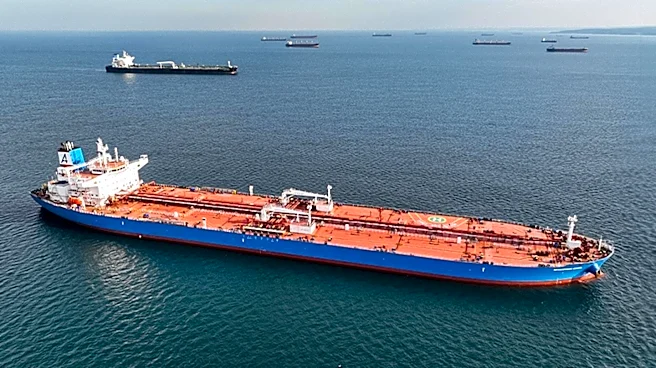
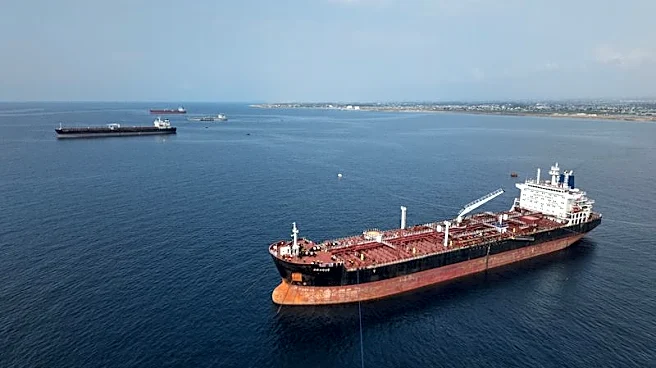
Kyrgyzstan has initiated the import of petroleum products from Azerbaijan and other nations, marking a strategic move to diversify its fuel supply sources. This development was announced by Kanatbek Eshatov, President of the Association of Petroleum Product
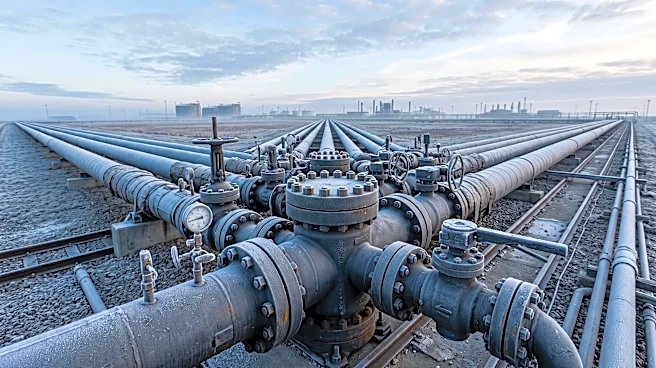
Traders of Kyrgyzstan. Historically, Russia has been Kyrgyzstan's primary supplier of petroleum products. However, Bishkek is now actively seeking to broaden its import options to mitigate risks associated with over-reliance on a single source and to enhance the stability of its domestic fuel supplies. In addition to Azerbaijan, initial fuel shipments have also begun arriving from Turkmenistan, Belarus, Türkiye, and China. While the domestic diesel market in Kyrgyzstan remains stable, some shortages in gasoline supplies persist. Kyrgyzstan's annual demand for petroleum products exceeds 1.5 million tonnes, making reliable and diversified imports crucial for meeting its domestic consumption needs.
Why It's Important?
This diversification of fuel imports by Kyrgyzstan holds significant importance for its energy security and economic stability. By reducing its dependence on Russia, Kyrgyzstan aims to insulate itself from potential supply disruptions or price volatility tied to a single dominant supplier. This strategy can lead to more competitive pricing and a more resilient energy infrastructure. For Azerbaijan, this represents an expansion of its fuel export destinations into Central Asia, potentially strengthening its economic ties and influence in the region. The move also reflects a broader trend among nations to secure their supply chains and reduce geopolitical vulnerabilities, especially in critical sectors like energy. The stability of fuel supplies directly impacts various sectors of Kyrgyzstan's economy, from transportation to agriculture, making this a vital policy shift.
What's Next?
While initial shipments have commenced, the volume and value of these Azerbaijani deliveries have not yet been disclosed, nor have details regarding future agreements. Kyrgyzstan is expected to continue exploring and solidifying its relationships with these new suppliers to ensure a consistent and diversified flow of petroleum products. The success of this diversification strategy will depend on the long-term reliability and competitiveness of these new sources. Further agreements and increased trade volumes with Azerbaijan and other countries are likely as Kyrgyzstan works to fully implement its new procurement system. Monitoring the impact on domestic fuel prices and supply stability will be key indicators of the strategy's effectiveness.
Beyond the Headlines
The decision by Kyrgyzstan to diversify its fuel imports extends beyond mere economic considerations; it reflects a strategic geopolitical reorientation. By seeking suppliers from the Caspian region and beyond, Bishkek is subtly asserting greater independence in its foreign policy and economic partnerships. This move could encourage other Central Asian nations to re-evaluate their own dependencies and explore similar diversification strategies, potentially altering regional power dynamics. The expansion of Azerbaijan's energy exports into Central Asia also highlights its growing role as a regional energy provider, potentially fostering greater economic integration and cooperation within the broader Eurasian continent. This shift could also lead to increased investment in transport infrastructure to facilitate these new trade routes.