
What's Happening?
In Shantipur, a 56-year-old weaver named Subodh Debnath was found dead in his home, with his family attributing his suicide to stress caused by a Special Intensive Revision (SIR) hearing notice related
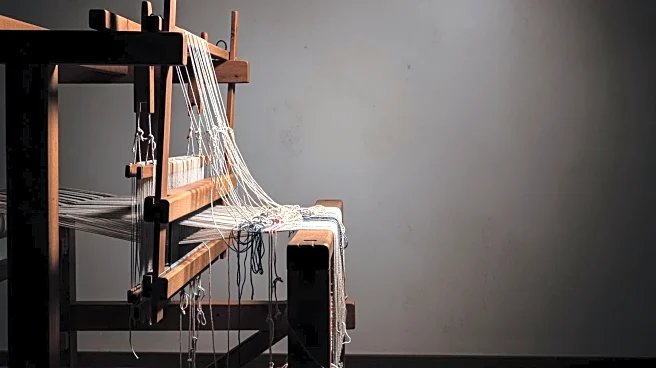
to electoral rolls. Shantipur, known for its traditional weaving, is located in the Matua heartland of Bengal. Subodh's family reported that he had been under significant mental distress since receiving the SIR notice on January 4. The notice pertained to discrepancies in the electoral roll, as their names were included in the 2010 voters' list but not in the 2002 SIR list. Subodh's wife, Lipi, stated that he was anxious about the possibility of being jailed if he failed to produce the required documents. His anxiety led to a decline in his eating habits and increased worry, which he shared with neighbors. The family plans to file a police complaint against the Election Commission, as they believe the stress from the notice contributed to his death.
Why It's Important?
This incident highlights the severe impact that bureaucratic processes can have on individuals, particularly those in vulnerable communities. The stress associated with legal and administrative procedures, such as the SIR hearings, can lead to tragic outcomes, as seen in Subodh's case. This raises concerns about the mental health implications of such processes and the need for more supportive measures to assist individuals in navigating them. The situation also underscores the importance of clear communication and assistance from government bodies to prevent misunderstandings and alleviate fears. The potential for similar incidents in other regions with complex electoral processes could prompt a reevaluation of how such notices are handled and communicated to the public.
What's Next?
The family of Subodh Debnath intends to lodge a formal complaint against the Election Commission, which could lead to an investigation into the handling of SIR notices and their impact on individuals. This case may prompt discussions on the need for reforms in the electoral roll revision process to ensure it is more transparent and less stressful for citizens. Additionally, there may be calls for increased mental health support for those affected by bureaucratic procedures. The outcome of the investigation and any subsequent policy changes could set a precedent for how similar cases are managed in the future.