



What's Happening?
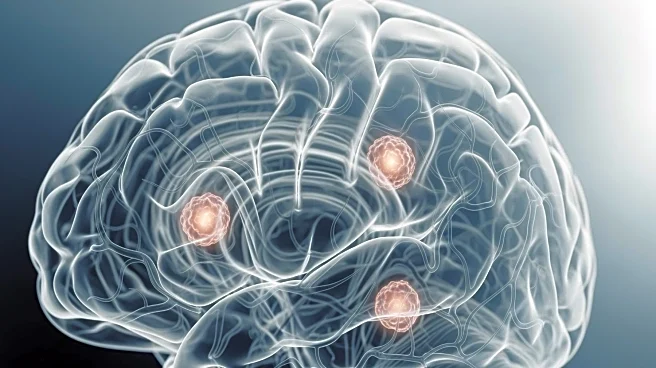
Researchers at the Yong Loo Lin School of Medicine, National University of Singapore, have identified a protein, DMTF1, that could potentially reverse brain aging by reviving the regenerative potential of neural stem cells. This discovery, published in Science
Advances, highlights the role of DMTF1 in sustaining neural stem cell activity, which typically declines with age, leading to reduced cognitive function. The study, led by Assistant Professor Ong Sek Tong Derrick, involved genome binding and transcriptome analyses to understand how DMTF1 influences gene activity in neural stem cells. The findings suggest that enhancing DMTF1 expression could restore the regenerative capacity of these cells, offering a potential therapeutic target for age-related cognitive decline.
Why It's Important?
The identification of DMTF1 as a key player in neural stem cell regeneration is significant for addressing age-related cognitive decline. As the population ages, understanding and potentially reversing the mechanisms of brain aging could have profound implications for public health. Enhancing DMTF1 activity might not only improve cognitive functions in the elderly but also reduce the burden of neurodegenerative diseases. This research opens new avenues for developing treatments that could maintain or even improve brain health in aging populations, potentially leading to longer, healthier lives.
What's Next?
Future research will focus on exploring the therapeutic potential of DMTF1 in vivo, particularly its ability to regenerate neural stem cells and improve cognitive functions without increasing the risk of brain tumors. The long-term goal is to develop small molecules that can enhance DMTF1 expression, offering a practical approach to treating age-related cognitive decline. Continued studies will also aim to understand the broader implications of DMTF1 in neural stem cell biology and its potential applications in regenerative medicine.