





What's Happening?
The pursuit of age reversal has become a significant focus in the tech world, with artificial intelligence playing a crucial role in accelerating research. Harvard geneticist David Sinclair is at the forefront, arguing that aging is a loss of information
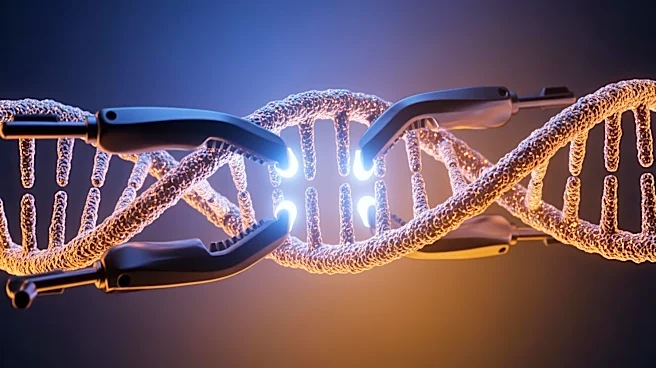
rather than function, likening it to a software problem. AI is being used to simulate molecules and identify combinations that can reverse aging at the epigenetic level. Technologies such as CRISPR, Yamanaka factors, and cellular reprogramming are being explored to roll back biological age. Senolytics, a new class of drugs, target senescent cells, or 'zombie cells,' to extend healthspan and lifespan. Companies like Celularity are working on immune reinforcement to bolster aging bodies.
Why It's Important?
The advancements in age reversal research could revolutionize healthcare by shifting the focus from treating age-related diseases to preventing decline. This has the potential to extend human lifespan significantly, impacting industries such as pharmaceuticals, healthcare, and biotechnology. The economic implications are vast, with potential reductions in healthcare costs and increased productivity from a healthier aging population. However, these developments also raise ethical questions about access to such treatments and the societal impacts of significantly extended lifespans.
What's Next?
As AI continues to accelerate research, human trials for age reversal compounds are expected to progress. The XPRIZE Healthspan competition, which aims to reverse aging effects by a minimum of ten years, is driving innovation in the field. The involvement of tech billionaires and companies in funding longevity research suggests that significant breakthroughs could be on the horizon. The next few years will likely see increased regulatory scrutiny and public debate over the implications of these technologies.
Beyond the Headlines
The pursuit of age reversal raises philosophical questions about the nature of life and death. As technology potentially extends human lifespans, society must grapple with issues of meaning and purpose in a world where death is less of a deadline. The psychological and social implications of living longer lives will need to be addressed, as will the potential for inequality in access to life-extending treatments. The intersection of technology and biology in this field highlights the need for ethical guidelines and thoughtful consideration of the long-term impacts on humanity.