





What's Happening?
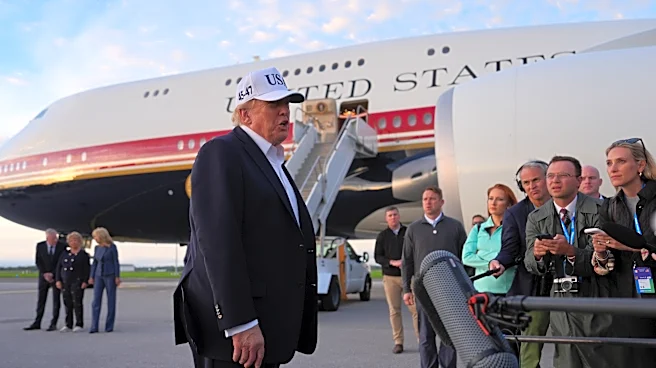
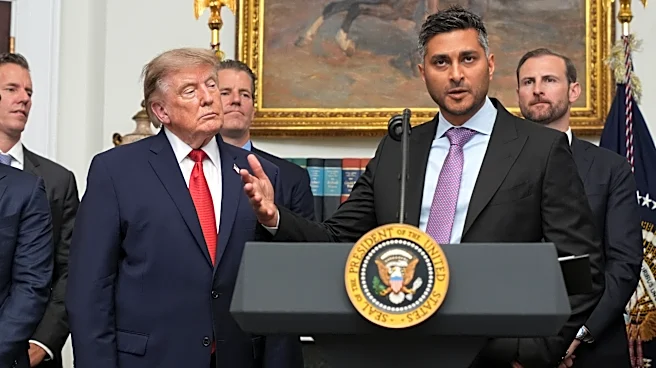
President Trump has signed an executive order, the Supporting America’s Ranchers executive order, directing U.S. Secretary of Interior Doug Burgum to determine within 90 days whether gray wolves and Mexican wolves meet their recovery criteria. This order initiates
a process to potentially delist or downlist these wolf populations from the Endangered Species Act (ESA). Additionally, the order mandates Burgum to prepare legislative recommendations for President Trump regarding the full delisting or downlisting of wolves. Upon a determination that recovery criteria are met, states will be encouraged to revise their standards for wolf killing to assist ranchers. U.S. Secretary of Agriculture Brooke Rollins stated that the Trump administration is focused on rebuilding the Great American Cattle Herd and has worked to defend and promote ranchers through initiatives like the Beef Plan and the Ranchers First Initiative. Wolves were initially added to the ESA in 1974 after being nearly eradicated and were reintroduced to Idaho and Yellowstone National Park in the mid-1990s. While some states like Idaho, Wyoming, and Montana have already delisted wolves, allowing hunting and trapping, they remain protected in other parts of the U.S., including Washington state.
Why It's Important?
This executive order carries significant implications for wildlife conservation and the agricultural sector across the U.S. For ranchers, the potential delisting of gray wolves could alleviate concerns about livestock depredation, offering more flexibility in managing wolf populations that they perceive as a threat. Secretary Rollins's comments highlight the administration's focus on supporting the rural way of life and the cattle industry, suggesting that this move is part of a broader strategy to reduce regulatory burdens on farmers and ranchers. Conversely, conservation groups and wolf advocates argue that delisting is premature, as wolf populations have not yet fully recovered across their historical range. They contend that removing protections could lead to a decline in wolf numbers, undoing decades of conservation efforts. The debate underscores the ongoing tension between economic interests, particularly in agriculture, and environmental protection, with the ESA often at the center of such conflicts. The outcome of this review could set a precedent for how other species are managed under the ESA, influencing future conservation policies and the balance between human activities and wildlife preservation.
What's Next?
Following President Trump's executive order, U.S. Secretary of Interior Doug Burgum has a 90-day window to assess whether gray wolves and Mexican wolves have met their recovery criteria. This assessment will be a critical step in determining whether the process for delisting or downlisting these species from the Endangered Species Act will proceed. Should Burgum recommend delisting, it is expected that the Trump administration will pursue legislative action to formalize these changes. This could lead to increased state-level management of wolf populations, potentially allowing for more aggressive hunting and trapping in areas where they are currently protected. However, wolf advocates, such as the Center for Biological Diversity, have indicated their intention to challenge any delisting attempts in court, suggesting that legal battles are likely. These challenges could delay or even overturn the administration's efforts, as similar attempts in the past have resulted in court-ordered reinstatements of protections. The ongoing debate will also likely involve various stakeholders, including ranchers, conservationists, and state wildlife agencies, each advocating for their respective interests in the management of wolf populations.
Beyond the Headlines
The executive order to review gray wolf protections delves into deeper ethical and cultural dimensions surrounding wildlife management and the role of government in balancing competing interests. The historical context of wolf extermination in the U.S. and their subsequent reintroduction highlights a complex narrative of human-wildlife conflict and conservation efforts. The current debate reflects differing philosophies on environmental stewardship: one prioritizing economic activities and property rights, and the other emphasizing biodiversity and ecological balance. The argument from wolf advocates that 'smart ranchers coexist with wolves by using commonsense measures like guard dogs and fencing' suggests a shift towards non-lethal conflict resolution, which could represent a long-term trend in wildlife management. However, the administration's focus on 'rebuilding the Great American Cattle Herd' and addressing 'dangerous predators' indicates a more traditional approach. This situation also raises questions about the scientific criteria for species recovery and how political considerations influence these determinations. The outcome could shape public perception of endangered species and the effectiveness of the ESA, potentially influencing future policy decisions regarding other protected species and the broader conservation movement.