










What's Happening?
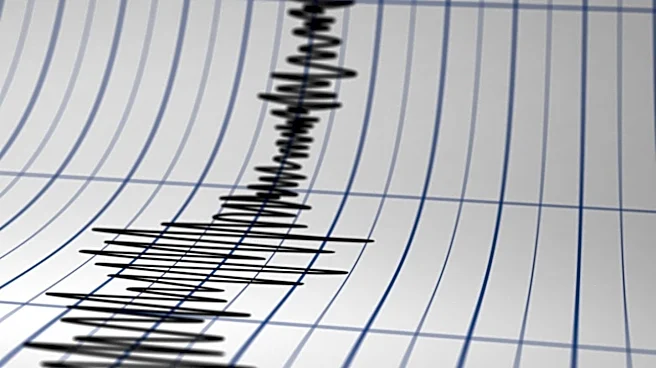
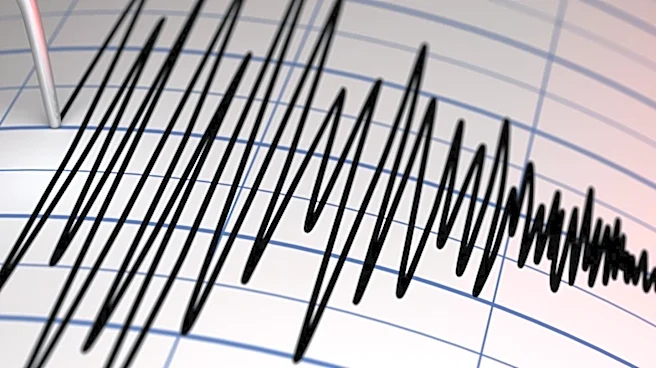
A 2.9 magnitude earthquake was recorded in Lake Michigan, approximately 13 miles from the north suburbs of Chicago. This rare seismic event was analyzed by Dr. Suzan Van Der Lee, a professor and Earth scientist at Northwestern University. Dr. Van Der Lee provided
insights into the causes and potential implications of the tremor during an interview with CBS News Chicago. The earthquake, which occurred off the coast of the Chicago area, is one of the few such events recorded in the region over the last century. The discussion focused on understanding the geological factors that led to the earthquake and what it might mean for the local area.
Why It's Important?
The occurrence of an earthquake in Lake Michigan is significant due to its rarity in the region, which is not typically known for seismic activity. Understanding such events is crucial for local authorities and residents as it can inform future preparedness and response strategies. The insights provided by Dr. Van Der Lee help demystify the geological processes at play, potentially aiding in the development of better monitoring and safety protocols. This event also highlights the importance of scientific research in understanding natural phenomena and mitigating their impacts on populated areas.
What's Next?
Following the earthquake, there may be increased interest in monitoring seismic activity in the Lake Michigan area. Local authorities and scientific institutions might consider enhancing their earthquake preparedness plans and public awareness campaigns. Further research could be conducted to assess the potential for future seismic events and to develop strategies to minimize risks to the community. Additionally, this event may prompt discussions on infrastructure resilience and emergency response capabilities in the region.