





What's Happening?
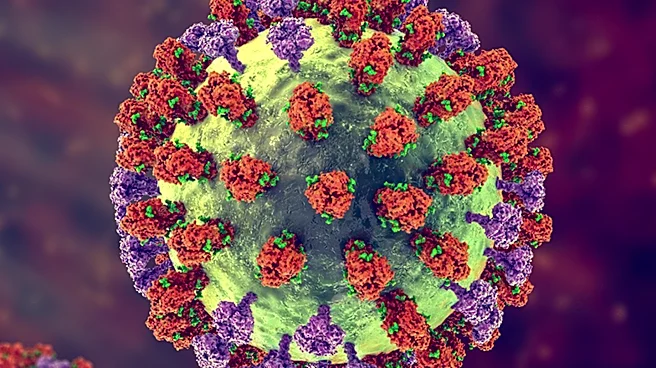
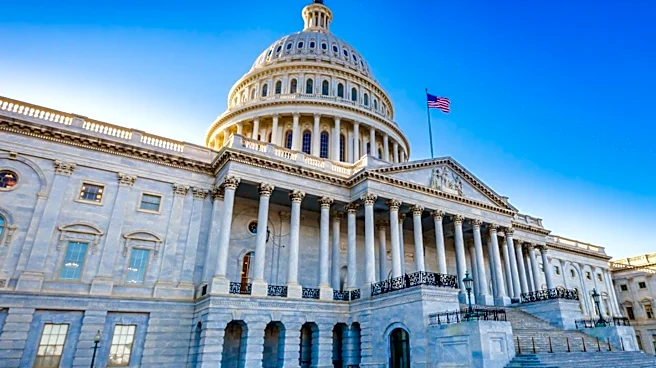
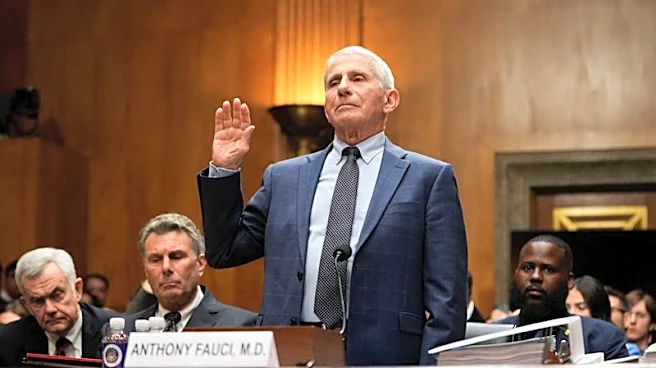
A recent Senate committee hearing has reignited the debate over the origins of COVID-19, focusing on the role of immunologist Anthony Fauci in the U.S. government's pandemic response. The hearing, led by Senator Rand Paul, revisited claims that the virus
originated from a lab in Wuhan, China, rather than through natural transmission from animals to humans. This session is part of ongoing political scrutiny, particularly from Republicans, who have criticized Fauci's handling of the pandemic. Despite extensive investigations and reports, including a 2024 report by a Republican-led subcommittee, no conclusive evidence has been found to support the lab leak theory over natural zoonotic spillover. The hearing underscored the deep partisan divides and did little to advance the understanding of the virus's origins.
Why It's Important?
The hearing reflects the enduring political tensions surrounding the U.S. response to COVID-19 and the broader implications for public trust in health agencies. The focus on Fauci, who has been a central figure in the pandemic response, highlights the challenges faced by public health officials in navigating political landscapes. The debate over the virus's origins has significant implications for U.S.-China relations and the global scientific community's approach to pandemic preparedness. The scrutiny of Fauci and the emphasis on the lab leak theory may influence public perception and policy decisions, potentially affecting future responses to health crises.
What's Next?
As the debate continues, the focus may shift towards the upcoming midterm elections, where public health policy and the handling of the pandemic could become key issues. The hearing's timing, close to the elections, suggests that political motivations may play a role in the ongoing scrutiny of Fauci and the pandemic response. The outcome of the elections could impact the balance of power in Congress and influence future investigations or policy changes related to COVID-19. Additionally, the scientific community may continue to explore the origins of the virus, with potential implications for international collaboration and research funding.