








What's Happening?
The Michigan Department of Agriculture and Rural Development (MDARD) has announced the latest recipients of its Regenerative Value Chains Grant Program, part of the broader Farm to Family Program. This initiative aims to expand operations and market opportunities
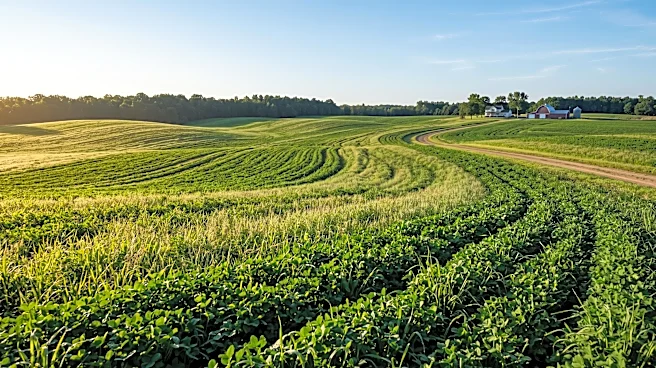
for farmers utilizing regenerative agriculture practices. These practices focus on improving soil health through methods like cover cropping to prevent erosion and retain moisture, and integrating livestock into farm operations to cycle nutrients. Fourteen grant recipients across Michigan's Upper Peninsula, Northern Michigan, West Michigan, Central Michigan, Southwest Michigan, Thumb Region, and Southeast Michigan will receive funding. Projects include installing temperature-controlled cold storage, establishing on-farm stores, investing in updated IT and point-of-sale systems, expanding poultry product production, building wash-pack facilities, enhancing marketing and on-farm infrastructure, upgrading farm stands with self-service kiosks, and installing solar energy and battery storage. MDARD Director Tim Boring emphasized that science-driven land practices lead to better outcomes and that these grants support new and beginning operations in Michigan.
Why It's Important?
This grant program is important for several reasons, primarily for its impact on Michigan's agricultural industry and food systems. By supporting regenerative agriculture, MDARD is promoting sustainable farming practices that can lead to improved soil health, reduced environmental impact, and increased resilience for farms. The grants help farmers expand their capacity, improve efficiency, and access new markets, which can boost their profitability and contribute to the economic vitality of rural communities. Furthermore, by expanding access to fresh, healthy food for Michiganders, the program addresses food security and public health concerns. The focus on local market opportunities strengthens the connection between producers and consumers within the state, fostering a more robust and localized food supply chain. This initiative also positions Michigan as a leader in promoting and investing in regenerative agriculture, potentially influencing other states to adopt similar programs.
What's Next?
The grant recipients will proceed with implementing their proposed projects, which include infrastructure improvements, technology upgrades, and market expansion efforts. MDARD's Farm to Family Program will continue its efforts, building on previous grant opportunities such as Food Hubs and Farm Stops, Last Food Mile grants for refrigerated transport, and Farmers to Markets grants. The program is also expected to continue receiving national attention for its work in connecting small and medium farmers with local market opportunities. Additionally, MDARD's Regenerative Agriculture Program will persist in providing tools and resources to Michigan farmers, including a free soil health assessment program, further grant opportunities, and the Next Generation Crop Insurance Pilot. These ongoing initiatives aim to enhance soil health, lower costs, and boost farm resiliency across the state.
Beyond the Headlines
Beyond the immediate economic benefits for farmers, this initiative has deeper implications for environmental stewardship and community development. The emphasis on regenerative agriculture signifies a shift towards farming practices that not only produce food but also actively restore and enhance natural ecosystems. This approach can lead to long-term ecological benefits, such as improved water quality, increased biodiversity, and enhanced carbon sequestration, contributing to broader climate resilience goals. Culturally, the program fosters a stronger connection between consumers and their food sources, promoting a greater appreciation for local agriculture and sustainable practices. Ethically, it supports a more equitable food system by empowering small and beginning farmers, ensuring that the benefits of agricultural growth are distributed more widely. This holistic approach to agriculture could serve as a model for other regions seeking to balance economic development with environmental and social responsibility.