





What's Happening?
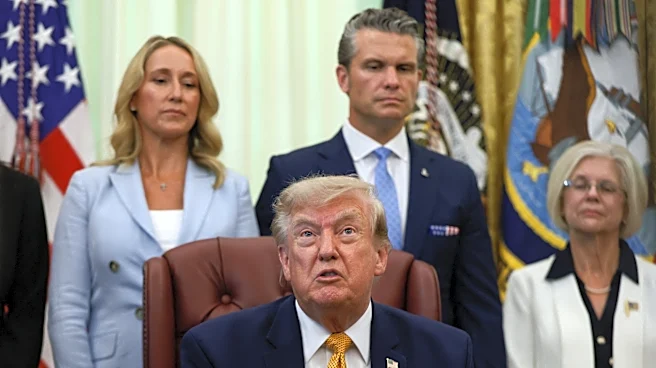
President Trump has criticized media organizations for allegedly publishing fake polls that show a decline in his approval ratings. In a Truth Social post, Trump claimed his real polling numbers are the best they have ever been, despite not providing
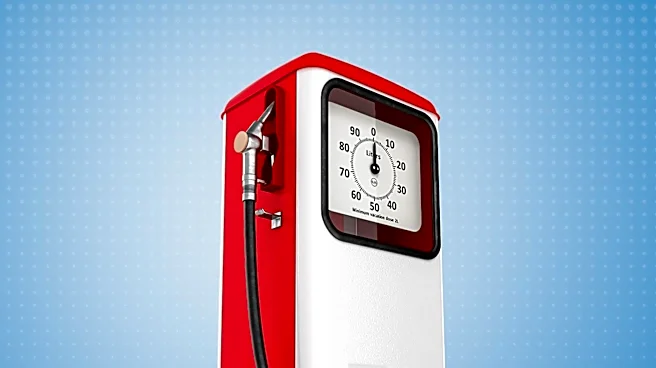
evidence to support this assertion. Recent polls, including those from the Associated Press and Quinnipiac, indicate a significant drop in Trump's approval, with only a third of Americans approving of his job performance. The decline is attributed to the ongoing war with Iran and rising gas prices. Trump's criticism of the media is part of a broader pattern of dismissing unfavorable polling data while embracing positive results.
Why It's Important?
The decline in President Trump's approval ratings poses a challenge for the Republican Party as they approach the midterm elections. Historically, the president's party tends to lose seats during midterms, and Trump's low approval could exacerbate this trend. The situation highlights the impact of international conflicts and economic issues on domestic politics, influencing voter sentiment and party strategies. Trump's continued attacks on the media also reflect ongoing tensions between the administration and press, potentially affecting public perceptions of media credibility and the administration's transparency.
What's Next?
As the midterm elections approach, both parties will focus on shaping voter perceptions and addressing key issues like the economy and foreign policy. Republicans will need to strategize on how to mitigate the impact of Trump's declining approval on their electoral prospects. Meanwhile, Democrats may leverage the situation to gain an advantage in competitive districts. The administration's handling of the war with Iran and economic challenges will be closely scrutinized, influencing voter decisions and party narratives. The media's role in reporting and analyzing these developments will continue to be a point of contention.