






What's Happening?
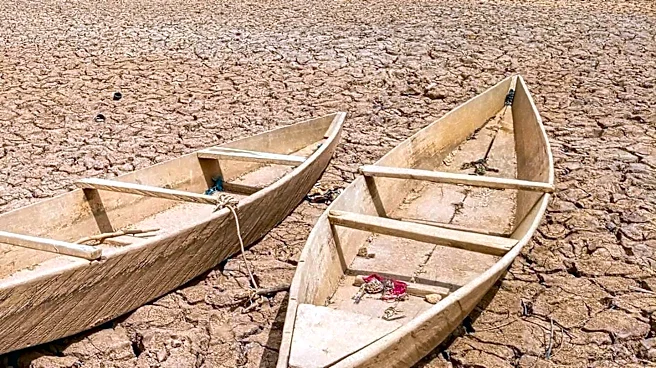
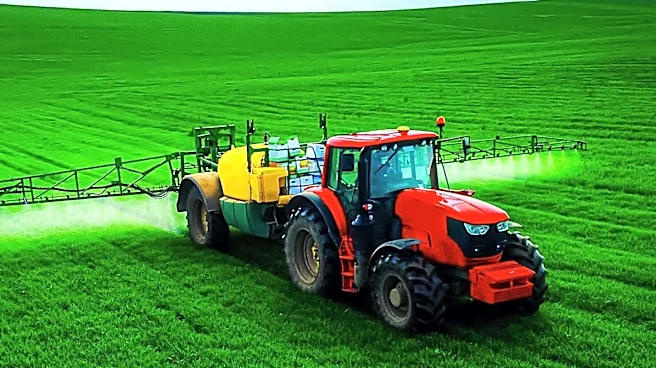
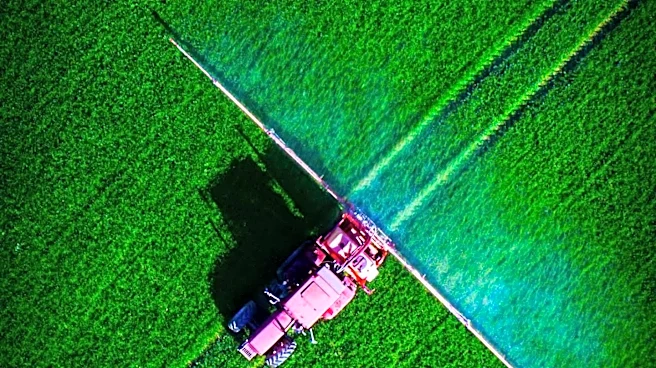
A review article has been published examining the bidirectional interactions between climate change and pesticide use. The study highlights how climate change affects pesticide dynamics and efficacy, particularly in Mediterranean regions. It discusses
the challenges posed by climate variability on agriculture and the need for adaptation strategies. The review also explores the impact of climate change on soil and pest dynamics, emphasizing the importance of sustainable pesticide use in modern agriculture. The findings suggest that climate change is exacerbating the challenges faced by agricultural systems, necessitating a comprehensive approach to pesticide management.
Why It's Important?
The mutual impacts between climate change and pesticide use have significant implications for agriculture and food security. As climate change alters weather patterns and increases the frequency of extreme events, the effectiveness of pesticides can be compromised, leading to increased pest pressures and reduced crop yields. This situation poses a threat to food security, particularly in regions heavily reliant on agriculture. The review underscores the need for sustainable pesticide practices and adaptation strategies to mitigate the adverse effects of climate change on agriculture. It highlights the importance of integrating climate considerations into agricultural policy and management to ensure long-term sustainability.
What's Next?
The review calls for further research into the interactions between climate change and pesticide use, suggesting that more studies are needed to develop effective adaptation strategies. Policymakers and agricultural stakeholders may need to collaborate to implement sustainable practices that address the challenges posed by climate change. This could involve revising pesticide regulations, promoting integrated pest management, and investing in research and development to enhance the resilience of agricultural systems.
Beyond the Headlines
The interactions between climate change and pesticide use raise ethical and environmental concerns, as the increased use of pesticides can lead to negative impacts on ecosystems and biodiversity. The review highlights the need for a balanced approach that considers both agricultural productivity and environmental sustainability. It suggests that addressing these challenges requires a shift towards more sustainable agricultural practices that prioritize ecological health and resilience.