



What's Happening?
The Paris Peace Forum (PPF) is scheduled to hold its ninth edition on November 10–11, 2026, at the Palais de Chaillot in Paris. The event will operate under the theme “From Sovereignty to Cooperation” and aims to bring together governments, international
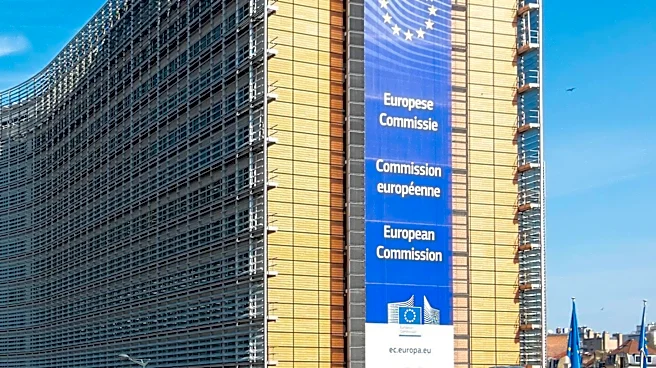
organizations, civil society, academia, and the private sector. The primary goal is to foster joint responses to current global challenges. The European Commission’s Service for Foreign Policy Instruments (FPI) will host a thematic panel titled “Peace Mediation Today: New Actors, New Coalitions, Lasting Results” on November 10. This panel will focus on how peace mediation is adapting to a changing global landscape, particularly in light of the 65 armed conflicts involving states recorded in 2025 by the Uppsala Conflict Data Program, the highest number since 1946.
Why It's Important?
The forum's focus on 'From Sovereignty to Cooperation' highlights a critical shift in international relations, emphasizing collaborative approaches to global issues rather than purely nationalistic ones. The increasing number of armed conflicts underscores the urgent need for effective peace mediation and conflict prevention strategies. The participation of the European Union, through its FPI, signifies a commitment to multilateral cooperation for peace, reflecting a belief that strong partnerships are essential for effective mediation in a world with multiplying conflicts. The discussions will explore how various actors, including states, regional and multilateral organizations, and non-state actors, can work together more effectively to achieve lasting peace. This collaborative effort is crucial for addressing complex global challenges that transcend national borders.
What's Next?
The Paris Peace Forum 2026 will serve as a platform for developing fresh approaches to mediation and conflict prevention. The FPI's panel will specifically examine how peace mediation can adapt to an increasingly crowded environment and how different actors can complement each other's efforts. The discussions will also delve into the evolving nature of peace-making, which increasingly focuses on incremental arrangements rather than comprehensive peace agreements. The EU plans to continue its investment in mediation and work with partners to bring these efforts closer together, aiming to transform hard-won progress into lasting results. The outcomes of these discussions could influence future international policies and strategies for conflict resolution and global cooperation.
Beyond the Headlines
The forum's theme, 'From Sovereignty to Cooperation,' suggests a deeper philosophical shift in international governance, moving towards a more interconnected and interdependent global order. This shift acknowledges that many contemporary challenges, such as climate change, pandemics, and armed conflicts, cannot be effectively addressed by individual nations acting alone. The emphasis on new actors and coalitions in peace mediation also points to a democratization of international diplomacy, where non-state actors and civil society play increasingly vital roles. This evolution could lead to more inclusive and diverse approaches to peace-building, potentially fostering more sustainable and equitable outcomes. The forum's focus on adapting mediation practices to a fragmented world highlights the ongoing need for innovation in diplomatic strategies.