









What's Happening?
A report by the Copernicus Climate Change Service has revealed that June 2026 was the hottest June on record for Western Europe and the second hottest globally. The extreme heat has led to wildfires and heat-related deaths across Europe, with France experiencing
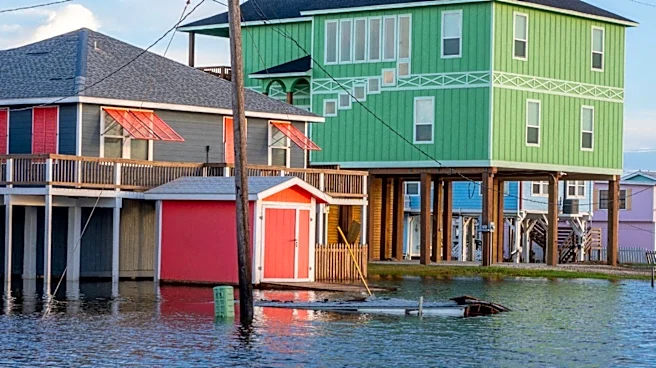
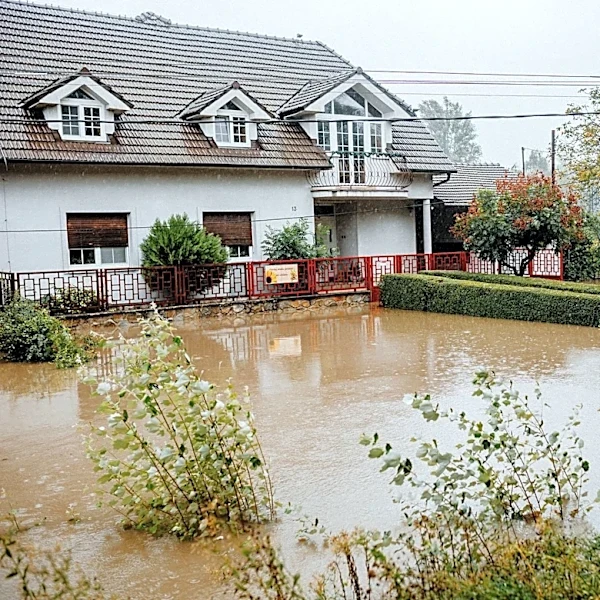
significant impacts. The report highlights the influence of the El Niño phenomenon, characterized by unusually warm waters in the tropical Pacific Ocean, which is expected to intensify global temperatures and increase the risk of extreme weather events. The National Oceanic and Atmospheric Administration warns that this could result in frequent and widespread flooding along the U.S. East and West Coasts, even in the absence of storms.
Why It's Important?
The intensification of El Niño and the resulting extreme weather conditions underscore the growing challenges posed by climate change. The potential for increased flooding along U.S. coasts could have significant implications for infrastructure, housing, and local economies. The heatwaves and wildfires in Europe serve as a stark reminder of the urgent need for climate adaptation and mitigation strategies. The situation highlights the interconnectedness of global climate systems and the far-reaching impacts of regional climate phenomena like El Niño.
What's Next?
As El Niño continues to develop, monitoring and preparedness efforts will be crucial for mitigating its impacts. Governments and agencies may need to enhance flood defenses and emergency response plans, particularly in vulnerable coastal areas. The ongoing climate changes could prompt further international cooperation and policy adjustments aimed at reducing greenhouse gas emissions and enhancing resilience to extreme weather events.
Beyond the Headlines
The current climate conditions may accelerate discussions on climate policy and the need for sustainable practices. The economic and social costs of climate-related disasters could drive innovation in renewable energy and climate-resilient infrastructure. Additionally, the situation may influence public perception and political will, potentially leading to more robust climate action at both national and international levels.