




What's Happening?
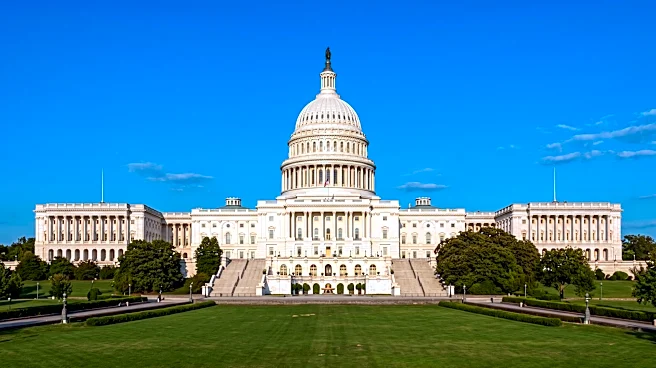
The Senate Committee on Energy and Natural Resources (ENR) recently held a hearing to review 24 bills, including four championed by U.S. Senator Lisa Murkowski (R-AK). These bills aim to bolster Alaska's energy security by reducing regulatory hurdles
and costs associated with hydropower and geothermal development, improving electric grid resilience, and expanding efforts to map critical mineral resources. Specifically, S. 5048, the Hydropower Licensing Affordability Act, seeks to reform the Federal Power Act to mitigate delays and expenses in hydropower licensing. This bill proposes to limit mandatory conditions under Sections 4(e) and 18 of the Federal Power Act to only those that reasonably address the direct adverse effects of a project. Another bill, S. 456, the Streamlining Thermal Energy through Advanced Mechanisms Act (STEAM), would expedite geothermal exploration and development in areas previously studied or developed by extending a similar expedited review process used for oil and gas projects. The SECURE Grid Act (S. 4166) would empower states to better assess risks to their electric grids, including extreme weather and cyber threats, by requiring additional risk factors in State Energy Security Plans.
Why It's Important?
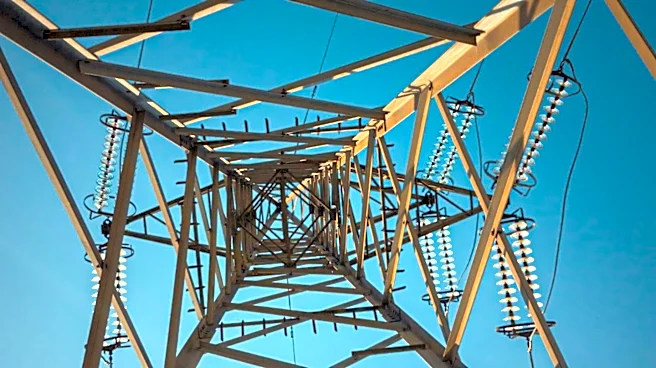
These legislative efforts are critical for enhancing energy reliability and affordability, particularly in states like Alaska where 12 non-federal hydropower licenses are set to expire by 2035. The proposed reforms to hydropower licensing aim to reduce 'unwarranted delays and costly federal requirements' that often have little connection to a project's direct impacts, thereby making it easier to maintain and expand a reliable source of renewable power. By providing greater regulatory certainty and reducing unnecessary costs, the legislation could help keep electricity affordable for consumers. Similarly, streamlining geothermal development and improving grid resilience through enhanced risk assessments are vital for diversifying energy sources and protecting critical infrastructure from various threats, ensuring a stable energy supply for communities and industries.
What's Next?
The next step for these bills is for the Senate Committee on Energy and Natural Resources to report them to the full Senate for further consideration at a future business meeting. If advanced, they will undergo debate and potential amendments in the Senate, followed by a vote. Should they pass the Senate, they would then move to the House of Representatives for similar legislative processes. The ultimate goal is for these bills to be enacted into law, which would lead to significant changes in how hydropower and geothermal projects are licensed and how states plan for grid resilience. Stakeholders, including energy companies, environmental groups, and state governments, will closely monitor their progress, as the outcomes could reshape energy policy and infrastructure development across the U.S.
Beyond the Headlines
The legislative push to streamline hydropower licensing reflects a broader tension between environmental protection and energy development. While the intent is to reduce 'red tape,' there's an underlying debate about the appropriate balance between regulatory oversight and project efficiency. Limiting mandatory conditions to 'direct adverse effects' could be seen as a way to accelerate projects, but it also raises questions about how indirect or cumulative environmental impacts will be addressed. This could set a precedent for other infrastructure projects, potentially altering the landscape of environmental review processes. Furthermore, the emphasis on grid resilience highlights the increasing recognition of the vulnerabilities of modern energy systems to both natural and man-made threats, underscoring a shift towards more proactive and comprehensive risk management in energy policy.