









What's Happening?
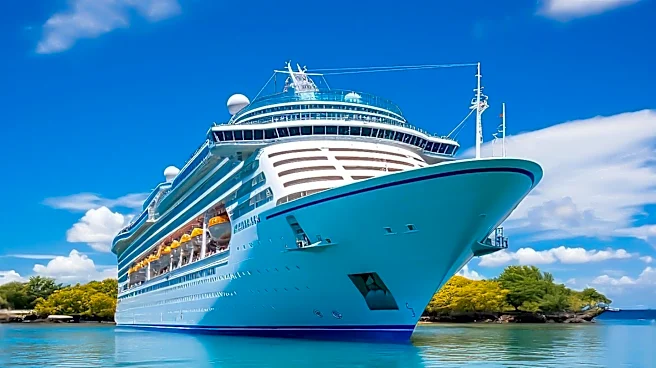
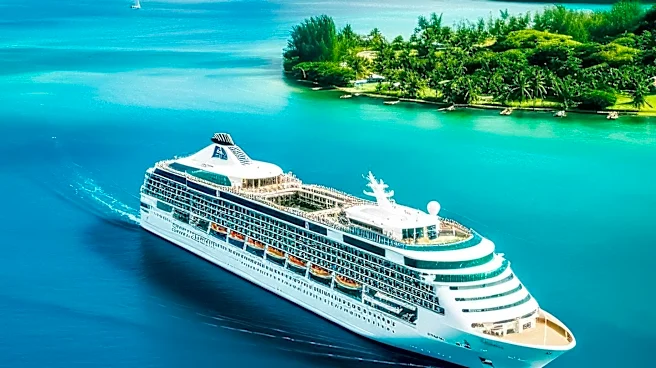
Caribbean islands are reassessing their cruise ship policies due to overtourism concerns. Islands like Bonaire are implementing a one-ship-per-day policy to protect their environment and improve resident quality of life. The Bahamas has increased fees
for cruising permits and introduced new taxes to manage the influx of tourists. This shift reflects a broader trend where destinations are capping passenger numbers and taxing cruise guests to mitigate environmental strain and ensure fair distribution of tourism benefits.
Why It's Important?
The re-evaluation of cruise ship access in the Caribbean highlights a significant shift in tourism management. By prioritizing environmental protection and resident quality of life over maximum tourist throughput, these islands are setting a precedent for sustainable tourism. This approach could influence global tourism policies, encouraging other regions to adopt similar measures. The changes may also impact the cruise industry, prompting companies to adjust their operations and explore new destinations.
What's Next?
As Caribbean islands implement these new policies, the cruise industry may face challenges in maintaining its current growth trajectory. Cruise lines might need to negotiate with island governments to secure access and adapt their itineraries to comply with new regulations. Additionally, other tourist destinations worldwide may observe these developments and consider similar strategies to manage overtourism. The success of these measures could lead to a more sustainable and balanced tourism industry.