




What's Happening?
In August 1911, a series of tornadoes struck north-central North Dakota, causing widespread destruction across several counties. The tornadoes, described as 'like 15 snakes up in the air,' devastated towns such as Antler, Sherwood, and Souris, leaving
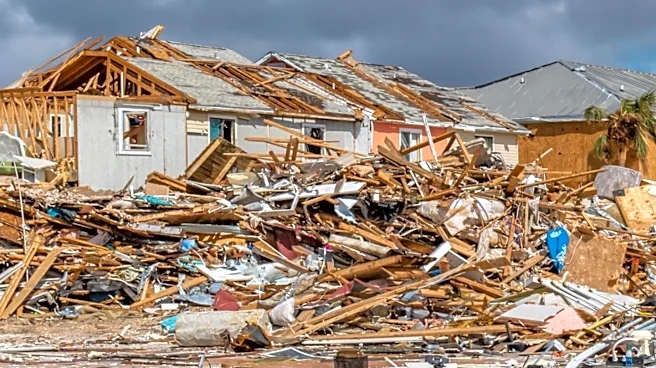
a trail of destruction that included demolished homes, barns, and crops. The event was captured in a rare photograph by a local photographer, providing a visual record of the disaster. The tornadoes resulted in significant loss of life and property, with damages estimated in today's dollars to be in the millions.
Why It's Important?
This historical event highlights the vulnerability of rural communities to natural disasters and the importance of preparedness and resilience. The 1911 tornadoes serve as a reminder of the destructive power of nature and the need for effective emergency response systems. The event also underscores the role of media and photography in documenting and communicating the impact of such disasters, shaping public awareness and policy. Understanding past events can inform current strategies for disaster management and community resilience, ensuring better protection for future generations.
Beyond the Headlines
The 1911 tornadoes also had cultural and economic implications, influencing local insurance markets and community narratives. The event became a catalyst for promoting tornado insurance, reflecting the economic impact of natural disasters on local economies. Culturally, the tornadoes became part of the local lore, shaping community identity and memory. This historical perspective provides insights into how communities adapt and respond to challenges, fostering a sense of shared history and resilience.