



What's Happening?
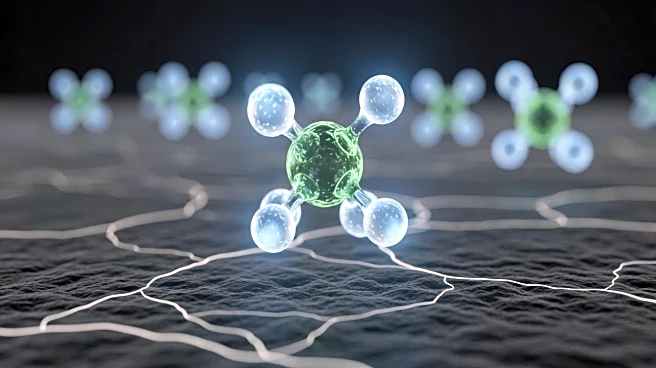
Recent studies have confirmed that creatine, a common supplement known for its benefits in athletic performance, also enhances brain and heart function. Creatine acts as a quick-charge backup system for cells, helping to rebuild ATP, the main energy molecule,
during high-demand situations. Research led by Dr. Richard Kreider at Texas A&M University has shown that creatine is safe and beneficial for maintaining cellular energy, particularly under stress. Additionally, a study from Virginia Tech is exploring new methods to deliver creatine directly to the brain, potentially aiding those with creatine deficiency disorders.
Why It's Important?
The confirmation of creatine's benefits beyond muscle performance is significant for both the scientific community and the general public. It highlights the supplement's potential role in supporting brain health, which could have implications for neurodevelopmental disorders and cognitive function. The research also challenges misconceptions about creatine's safety, providing evidence that it is a safe supplement for a wide range of individuals, not just athletes. This could lead to broader acceptance and use of creatine in health and wellness routines, particularly for those with dietary restrictions like vegetarians and vegans.
What's Next?
Ongoing research at Virginia Tech aims to improve creatine delivery to the brain using focused ultrasound, which could enhance treatment for creatine deficiency disorders. As scientific understanding of creatine's benefits expands, it may lead to new therapeutic applications for neurological and cardiovascular health. Policymakers and health professionals may also reconsider guidelines and recommendations for creatine supplementation, potentially increasing its accessibility and use in various health contexts.