









What's Happening?
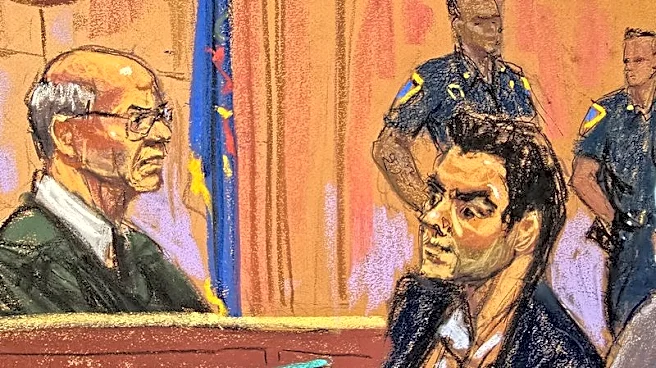
Andrea Mary Marshall, a New York City designer known for dressing celebrities such as Julia Roberts and Cynthia Erivo, has been charged with operating a 'sweatshop' and stealing wages from her employees. According to the Manhattan District Attorney Alvin
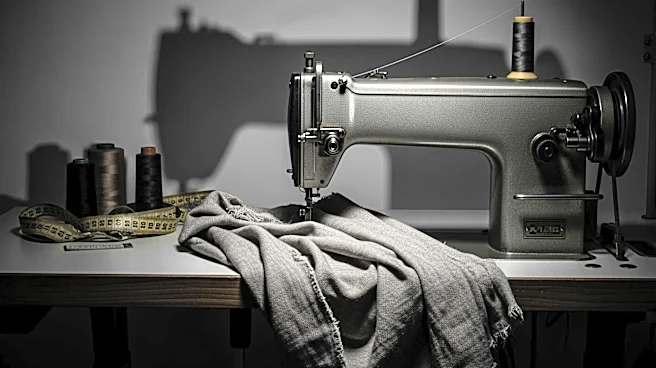
Bragg's office, Marshall allegedly withheld approximately $54,000 in wages from nine employees, forcing them to work exploitative hours, including shifts up to 17 hours a day. Marshall, the founder of the Garment District atelier Salon 1884, was arraigned on charges including grand larceny, scheme to defraud, and failure to pay labor law-mandated wages. Despite pleading not guilty, she was released without bail. The charges stem from accusations that Marshall's studio on 39th Street was run like a sweatshop, with employees working up to 100 hours per week and having to beg for their wages. Text messages released by the DA's office reveal employees pleading for payment to support their families.
Why It's Important?
This case highlights significant issues within the fashion industry regarding labor practices and wage theft. The allegations against Marshall underscore the power imbalances that can exist between employers and employees, particularly in industries reliant on low-wage labor. The charges bring attention to the need for stricter enforcement of labor laws to protect workers from exploitation. If proven guilty, Marshall's actions could lead to increased scrutiny and potential reforms in labor practices within the fashion sector. The case also serves as a reminder of the vulnerabilities faced by workers who may lack the resources to seek legal recourse against powerful employers.
What's Next?
The investigation into Marshall's alleged crimes is ongoing, with the Manhattan District Attorney encouraging additional victims to come forward. Marshall's next court date is set for September 23, where further developments in the case are expected. The charges carry a maximum sentence of 5 to 15 years in prison, which could serve as a deterrent to other employers engaging in similar practices. The outcome of this case may influence future labor law enforcement and inspire legislative changes to better protect workers' rights.