






What's Happening?
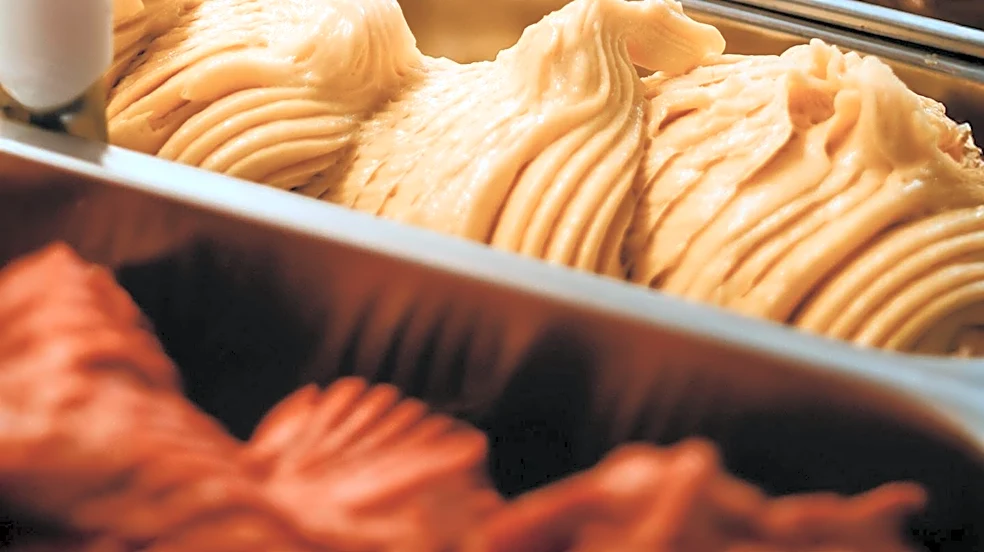
Lidl US has initiated a recall of one lot of its Gelatelli Coffee & Vanille Gelato due to potential contamination with Listeria monocytogenes. The recall affects products sold in nine states and the District of Columbia. The specific product under recall is Gelatelli Coffee & Vanilla
Gelato with Coffee Sauce & Cookie Pieces, packaged in 1-pint containers. The affected pints have a UPC of 4 0564897 22458, lot number 085261, and a 'best by' date of March 26, 2028, which can be found on the bottom of the container. The recall was prompted after routine testing revealed the presence of Listeria in a lab sample. The contaminated gelato was distributed to all Lidl US retail stores in Delaware, the District of Columbia, Georgia, Maryland, New Jersey, New York, North Carolina, Pennsylvania, South Carolina, and Virginia between July 19 and October 15 of this year. Customers who have purchased the recalled product are advised to either discard it immediately or return it to any Lidl store for a full refund.
Why It's Important?
The recall of Lidl's gelato due to Listeria contamination is a significant public health concern, as Listeria monocytogenes can cause serious and potentially fatal infections. Vulnerable populations, including young children, the elderly, individuals with weakened immune systems, and pregnant women, are particularly at risk. For pregnant women, Listeria infection can lead to miscarriages and stillbirths. Healthy individuals may experience short-term symptoms such as high fever, severe headache, stiffness, nausea, abdominal pain, and diarrhea. Food recalls like this highlight the critical importance of stringent food safety protocols within the food industry to prevent widespread illness. The U.S. Consumer Product Safety Commission's involvement underscores the regulatory oversight aimed at protecting consumers from hazardous products. This incident can also impact consumer trust in food brands and retailers, emphasizing the need for transparent communication and efficient recall processes to mitigate potential harm and maintain public confidence.
What's Next?
Lidl US will continue to manage the recall process, ensuring that all affected products are removed from store shelves and that customers are adequately informed. The company will likely work closely with regulatory bodies, such as the U.S. Consumer Product Safety Commission, to investigate the source of the contamination and implement corrective actions to prevent future occurrences. Consumers who have purchased the recalled gelato should follow the instructions to discard or return the product for a refund. Individuals who have consumed the product and experience symptoms consistent with Listeria infection are advised to seek medical attention. The incident may lead to increased scrutiny of Lidl's food safety practices and potentially broader industry-wide reviews of gelato production and testing protocols. Public health agencies will monitor for any reported illnesses linked to the recalled product to assess the extent of the impact.
Beyond the Headlines
This recall extends beyond immediate health concerns, touching upon the broader implications of food safety in a globalized supply chain. The presence of Listeria, a resilient bacterium, underscores the constant vigilance required in food manufacturing and distribution. Such incidents can lead to significant financial repercussions for companies, including costs associated with product retrieval, public relations, potential lawsuits, and damage to brand reputation. For consumers, it reinforces the need to pay attention to food recall notices and understand the risks associated with foodborne pathogens. The incident also highlights the role of routine testing and quality control measures as essential safeguards in the food industry. Furthermore, it contributes to the ongoing public dialogue about food safety regulations, consumer protection, and the responsibilities of food producers and retailers in ensuring the safety of their products.