








What's Happening?
The world is currently experiencing a powerful El Niño event, characterized by abnormally warm Pacific waters that affect global weather patterns. This phenomenon is causing significant shifts in rainfall and temperatures, leading to wetter conditions
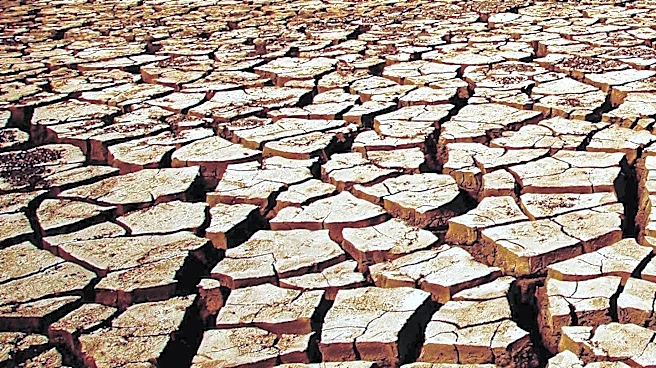
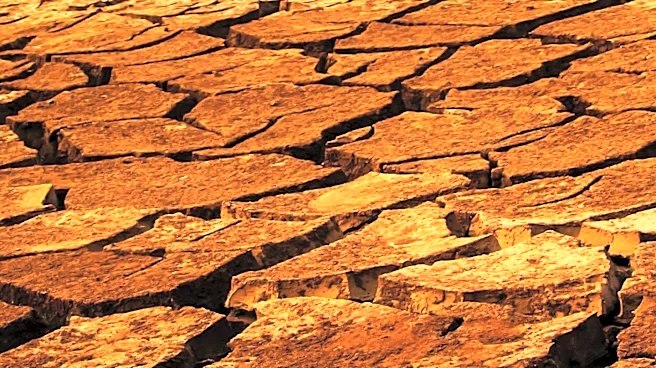
in some regions and drier conditions in others. The current El Niño is forecasted to be one of the strongest on record, with potential economic impacts estimated to reach hundreds of billions of dollars. Governments are on high alert as the event could lead to cascading failures in the global food system and exacerbate conflicts in developing countries.
Why It's Important?
El Niño events have historically caused substantial economic disruptions, particularly in agriculture. The current event poses a significant threat to global food security, with potential impacts on crop yields and food prices. Regions such as southern Africa, Central America, India, and Australia are at risk of severe agricultural losses, which could lead to increased poverty and migration. The economic toll of El Niño could disproportionately affect lower- and middle-income countries, highlighting the need for international cooperation and preparedness to mitigate its effects.
What's Next?
Governments and international organizations are ramping up efforts to prepare for the impacts of El Niño. Aid agencies are appealing for funds to support vulnerable populations, while local authorities in affected regions are drafting contingency plans. The focus will be on mitigating the immediate impacts on agriculture and food security, as well as addressing the long-term challenges posed by climate change. Continued monitoring and research will be essential to improve forecasting and response strategies for future El Niño events.
Beyond the Headlines
The current El Niño underscores the broader challenges of climate change and the need for sustainable agricultural practices. As weather patterns become more unpredictable, there is an urgent need to develop resilient food systems that can withstand environmental shocks. This includes investing in climate-smart agriculture, improving water management, and enhancing the capacity of communities to adapt to changing conditions.