




What's Happening?
U.S. officials have expressed concerns over the increasing military activities of China and North Korea in the Indo-Pacific region. During a House Armed Services Committee hearing, officials outlined a shift in U.S. strategy towards building a 'denial
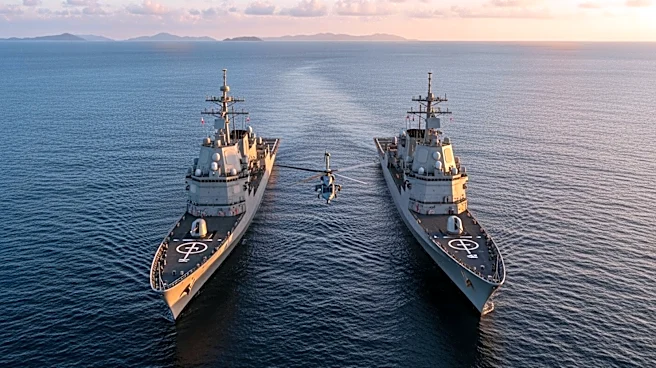
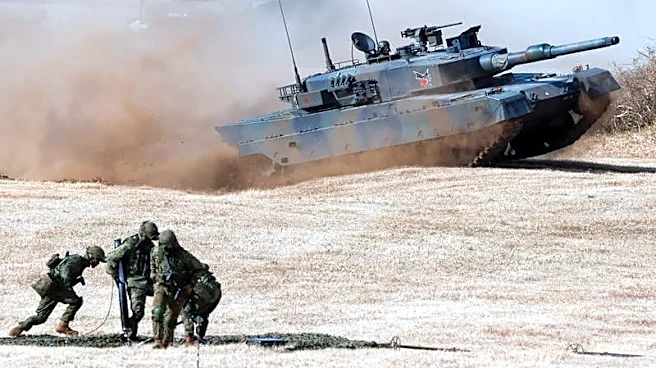
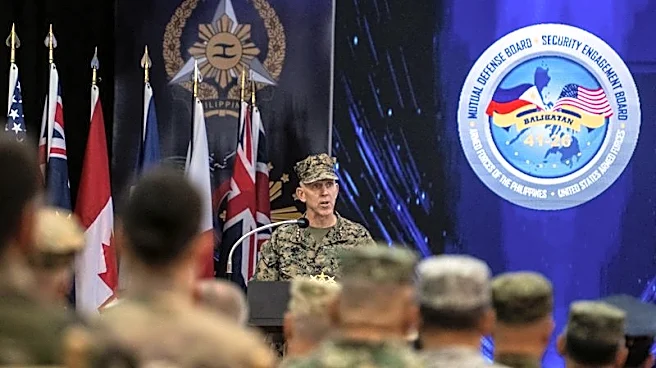
defense' to counter China's military expansion. This strategy includes deploying forward forces, long-range missiles, and enhancing allied integration. The region, which includes critical trade routes and a significant portion of the world's population, is becoming a focal point for U.S. defense efforts. Additionally, North Korea's advancing nuclear and missile programs, along with its cooperation with Russia, pose a direct threat to the U.S. and its allies. The U.S. is expanding its military presence in the region, including deployments in the Philippines and Australia, to create a layered defense against potential Chinese aggression.
Why It's Important?
The developments in the Indo-Pacific region are significant as they highlight the growing military threats from China and North Korea, which could impact global security and economic stability. The U.S. is responding by increasing defense spending and military presence to deter potential aggression. This shift in strategy underscores the importance of maintaining a balance of power in the region to protect U.S. interests and those of its allies. The cooperation between North Korea and Russia further complicates the security landscape, potentially accelerating North Korea's military capabilities. The U.S. aims to strengthen its alliances and encourage partners to increase their defense contributions, ensuring a collective effort to counter these threats.
What's Next?
The U.S. is likely to continue its military buildup in the Indo-Pacific region, focusing on enhancing its capabilities and strengthening alliances. There may be increased diplomatic efforts to encourage allies to contribute more to regional defense. The situation could lead to heightened tensions with China and North Korea, necessitating ongoing monitoring and strategic adjustments. The U.S. will need to balance its military presence with diplomatic initiatives to prevent escalation and maintain regional stability.