







What's Happening?
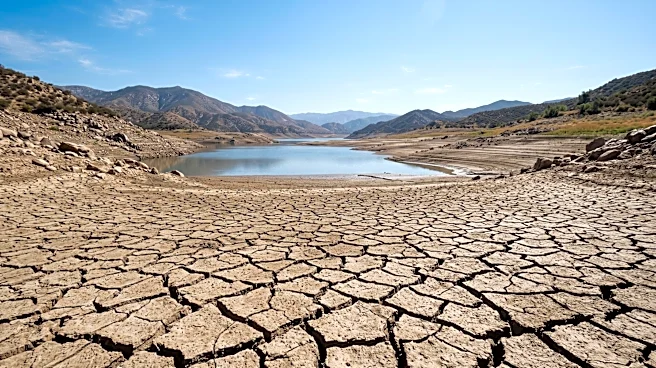
The city of Durham, North Carolina, has incurred costs exceeding $4 million since June to purchase water from neighboring utilities due to severe drought conditions straining its local supply. Lake Michie, a primary drinking water source for Durham, is
experiencing critically low water levels. To supplement its supply, Durham has been buying approximately 9 million gallons of water per day from the Town of Cary, totaling about $3.9 million. Additionally, the city purchased around 2 million gallons per day from the Orange Water and Sewer Authority in July, August, and again starting November 2, costing approximately $211,000. In addition to these purchases, Durham is pumping about 4 million gallons per day from Teer Quarry to boost its water reserves, though the cost for this operation has not yet been released. Residents are expressing concern over the city's spending and the sustainability of these measures if drought conditions persist, while city officials continue to urge water conservation efforts.
Why It's Important?
This situation highlights the significant financial burden and operational challenges that prolonged drought conditions impose on municipal water systems. The expenditure of over $4 million in a few months for water purchases indicates the severity of the water scarcity in Durham and the immediate need for alternative solutions. This financial strain could lead to increased water rates for residents or necessitate budget reallocations from other city services. Furthermore, the reliance on external water sources underscores the vulnerability of urban areas to climate-related events and the importance of robust water management and infrastructure. The public's reaction, ranging from surprise at the cost to concerns about sustainability, suggests a growing awareness of water resource issues and potential pressure on city officials to develop long-term drought resilience strategies. The situation also brings to light the interconnectedness of regional water supplies, as neighboring utilities become critical lifelines during crises.
What's Next?
Durham city officials will likely continue to monitor water levels at Lake Michie and other local sources closely. The city will probably maintain its current strategy of purchasing water from Cary and the Orange Water and Sewer Authority, as well as pumping from Teer Quarry, as long as drought conditions persist. Further calls for water conservation from residents are expected, and the city may consider implementing stricter water restrictions if the situation deteriorates. There could be discussions among city leaders about the long-term financial implications of these emergency measures and the need for investments in water infrastructure or alternative water sources to enhance future resilience. Residents may also see increased public engagement campaigns aimed at promoting water-saving habits. The city will need to address public concerns regarding the sustainability of current spending and provide transparency on the costs associated with all drought mitigation efforts.
Beyond the Headlines
The situation in Durham reflects a broader national challenge where climate change is exacerbating water scarcity in many regions, leading to increased competition for resources and significant financial outlays. This event could prompt a re-evaluation of urban planning and development strategies, particularly concerning water demand projections and the capacity of existing infrastructure. Ethically, it raises questions about equitable access to water and the potential for disparities if water costs rise significantly. Legally, inter-municipal water agreements and the terms of water sales could become more scrutinized, potentially leading to new regulatory frameworks for water sharing during crises. Culturally, such prolonged droughts can shift public attitudes towards water, fostering a greater sense of stewardship and conservation. In the long term, this could accelerate the adoption of water-efficient technologies, promote sustainable landscaping, and drive innovation in water recycling and desalination, fundamentally altering how communities manage and value their most critical natural resource.