







What's Happening?
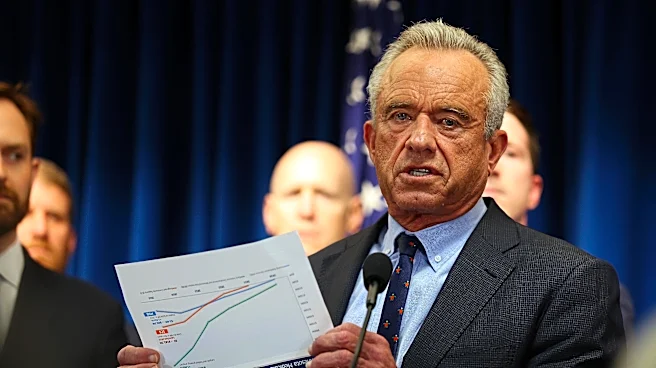
The Healthy Hydration Partnership (HHP), a nonpartisan coalition of water-related organizations, has sent an open letter to Agriculture Secretary Brooke Rollins and Health and Human Services (HHS) Secretary Robert F. Kennedy Jr. The letter urges both
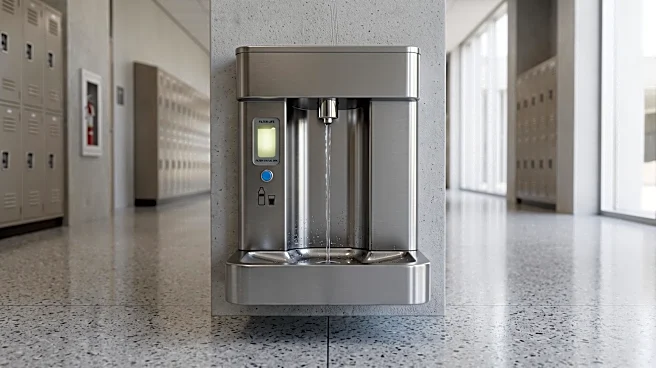
leaders to prioritize hydration in schools and provides recommendations to make water a visible and consistent part of the school day. This initiative builds upon the Dietary Guidelines for Americans (2025-2030), which emphasizes hydration as a key factor in overall health and recommends choosing water or unsweetened beverages. HHP noted that current Nutrition Standards for School Meals do not adequately reflect this emphasis. The coalition cited that 80% of American children do not meet recommended water intake and highlighted issues with water cleanliness, taste, pressure, and temperature in schools. Recommendations include clear messaging, model hydration language for school policies, assessing water accessibility, strengthening infrastructure through grants, re-issuing USDA policy memorandum SP 49-2016, and preparing schools for water disruptions.
Why It's Important?
The HHP's letter underscores a critical public health issue affecting American children. Inadequate hydration can lead to various health problems, impact cognitive function, and reduce academic performance. By advocating for better hydration policies in schools, the coalition aims to improve children's overall health and well-being, which has long-term societal benefits. The discrepancy between dietary guidelines and school meal standards highlights a gap in public policy that, if addressed, could significantly influence daily habits. The identified problems with school drinking water infrastructure, such as cleanliness and accessibility, point to systemic issues that require federal attention and funding. Ensuring access to safe, clean, and reliable water in schools is fundamental to creating a healthy learning environment and promoting lifelong healthy habits.
What's Next?
The open letter serves as a formal request for action from Secretary Rollins and Secretary Kennedy Jr. The next steps would involve the USDA and HHS reviewing the recommendations and potentially initiating policy changes or programs to address the identified issues. This could include developing new guidelines for school hydration, allocating funds for infrastructure improvements in schools, or launching public awareness campaigns. The HHP and its member organizations will likely continue to advocate for these changes, engaging with federal agencies and potentially state and local education departments. The success of this initiative could lead to a nationwide improvement in school hydration standards, impacting millions of students across the U.S. and fostering a healthier generation.
Beyond the Headlines
This initiative touches upon broader themes of public health, environmental justice, and educational equity. Access to clean and safe drinking water is a fundamental right, and its absence in schools can disproportionately affect underserved communities. The call for strengthening hydration infrastructure through school equipment grants highlights the need for investment in basic public services. Furthermore, promoting water consumption over sugary beverages aligns with efforts to combat childhood obesity and related health issues. The HHP's recommendations also implicitly address the role of schools as critical environments for shaping children's health behaviors. By making hydration a priority, schools can contribute to a culture of wellness that extends beyond the classroom, influencing family habits and community health outcomes. This effort could also spur innovation in water infrastructure and filtration technologies for educational settings.