






What's Happening?
A recent study has found that ultra-processed foods are linked to a higher risk of cardiovascular disease and type 2 diabetes, with clues suggesting that the processing itself, not just high levels of sugar, salt, and saturated fat, may play a significant
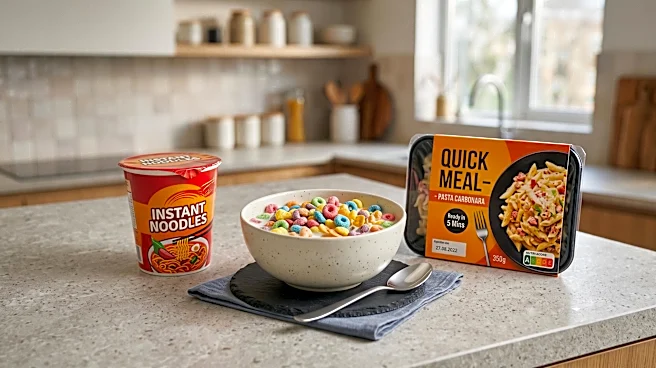
role. The research, conducted by scientists at University College London and Imperial College London, followed 6,010 British civil servants over many years, analyzing their dietary habits and blood samples. Participants, who were free of heart disease or diabetes at the time of blood sampling in the late 1990s, provided food questionnaires covering 127 items. The study categorized foods using the Nova system, which classifies items based on their processing level. It found that those in the highest third of ultra-processed food intake had a 23% higher cardiovascular disease risk and an 18% higher diabetes risk compared to those in the lowest third. Conversely, higher consumption of minimally processed foods was associated with an 18% lower risk of cardiovascular disease and a 15% lower risk of diabetes. The study identified specific blood patterns, or 'signatures,' that accounted for about half of the link between ultra-processed food and these diseases, indicating that factors beyond traditional nutritional content are at play.
Why It's Important?
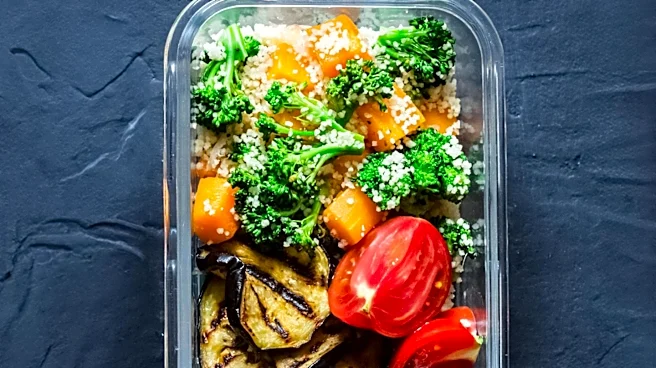
This research is significant because it challenges the conventional understanding that the health risks of ultra-processed foods are solely due to their high sugar, salt, and saturated fat content. By identifying blood patterns linked to ultra-processed diets, the study suggests that the manufacturing processes themselves, or the resulting food structures and compounds, may contribute to adverse health outcomes. This could lead to a re-evaluation of dietary guidelines, potentially shifting focus from just nutrient composition to the degree of food processing. For U.S. consumers, who consume a significant amount of ultra-processed foods, these findings underscore the importance of whole, minimally processed foods for long-term health. The implications extend to the food industry, which may face increased pressure to reformulate products or develop less processed alternatives. Public health initiatives could also evolve to emphasize food processing levels in addition to nutritional labels, potentially influencing consumer choices and dietary patterns across the nation.
What's Next?
The findings from this study are expected to fuel further research into the mechanisms by which food processing impacts health. Future studies will likely aim to confirm these associations in more diverse populations and investigate specific processing methods or additives that contribute to disease risk. Researchers also plan to explore the role of gut bacteria, inflammation, and changes in appetite or fullness as potential mediators. For policymakers, these results could prompt discussions about whether dietary guidance should incorporate the level of food processing alongside nutritional content. The Scientific Advisory Committee on Nutrition in the UK is already reviewing evidence on ultra-processed foods, and similar discussions may arise in the U.S. This could lead to new labeling requirements or public health campaigns designed to educate consumers about the risks associated with ultra-processed foods, potentially influencing food manufacturing practices and consumer demand for healthier, less processed options.
Beyond the Headlines
The study's implications extend beyond immediate health risks, touching upon broader societal and economic aspects. If food processing itself is a significant factor in disease, it raises questions about the sustainability and health impact of modern food systems, which heavily rely on ultra-processing for convenience and shelf-life. This could spark a deeper conversation about food sovereignty, the accessibility of whole foods, and the environmental footprint of highly processed food production. Ethically, it prompts a re-examination of corporate responsibility within the food industry, particularly regarding the development and marketing of ultra-processed products. Legally, it could pave the way for new regulations or litigation related to food processing and its health consequences. Culturally, a shift in dietary recommendations could influence eating habits, potentially leading to a resurgence of traditional cooking methods and a greater appreciation for minimally processed ingredients, fostering a long-term shift in how Americans perceive and consume food.