


What's Happening?
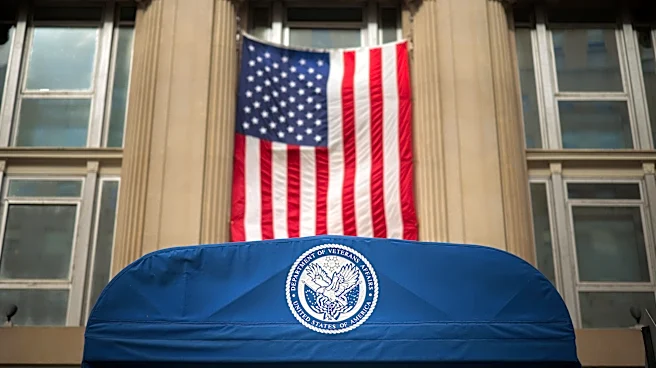
A new report from the Government Accountability Office (GAO) indicates that the Department of Veterans Affairs (VA) is struggling to effectively manage the increasing volume of calls to its Veterans Crisis Line (VCL). The report highlights two primary
issues: the VA's difficulty in securing emergency responses in areas with inadequate local services and its failure to track whether veterans receive necessary follow-up care after contacting the hotline. Calls to the VCL surged from 800,000 in 2021 to over 1.2 million last year, with more than 60,000 requiring emergency services. In fiscal year 2025, there were 2,494 instances where VCL workers contacted local law enforcement for emergency dispatches, but no help was sent. The GAO also found that the VA did not track whether veterans were successfully contacted or received care after being referred to suicide prevention coordinators.
Why It's Important?
The GAO's findings reveal critical gaps in the VA's ability to provide timely and comprehensive support to veterans in crisis, potentially jeopardizing lives. The inability to secure emergency responses in certain areas means that veterans facing immediate danger may not receive the urgent intervention they need. Furthermore, the lack of tracking for follow-up care indicates a systemic failure to ensure continuity of treatment, which is vital for long-term mental health recovery and suicide prevention. This situation undermines the trust veterans place in the VCL as a lifeline and highlights the urgent need for improved infrastructure and accountability within the VA's mental health services. The report underscores the significant challenge of providing consistent, high-quality care across diverse geographical regions with varying local resources.
What's Next?
In response to the GAO's findings, Senate Veterans Affairs Committee Chairman Sen. Jerry Moran (R-Kan.) and Sen. Patty Murray (D-Wash.) have introduced the Veterans Crisis Line Improvement Act. This bipartisan bill aims to address the identified issues by requiring the VA to maintain a directory of local crisis response teams beyond law enforcement, improve follow-on care through same-day outreach, and establish a 24/7 process for vulnerable individuals to receive assessments. The VA has concurred with both of the GAO's recommendations and is expected to provide action plans for implementing these changes. The legislative process will determine the timeline and specifics of these improvements, with a focus on enhancing the VCL's operational effectiveness and ensuring better outcomes for veterans.
Beyond the Headlines
The challenges faced by the Veterans Crisis Line reflect broader issues within the U.S. healthcare system regarding mental health support and emergency response, particularly in underserved areas. The GAO's emphasis on proactive identification of alternative response resources suggests a need for more integrated community-based mental health services that can complement traditional emergency services. This situation also raises questions about the allocation of resources and the coordination between federal and local entities in addressing veteran welfare. The push for improved tracking and follow-up care highlights the ethical responsibility to not only respond to immediate crises but also to ensure sustained support for individuals struggling with mental health, moving beyond a reactive approach to a more proactive and holistic model of care.