
What's Happening?
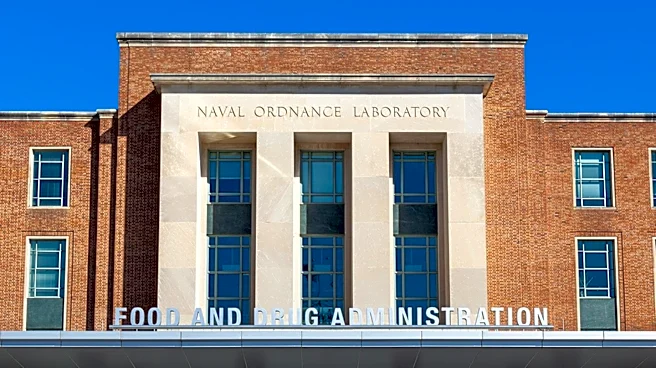
The U.S. Food and Drug Administration (FDA) requires food facilities to prepare and implement a written food safety plan, as mandated by 21 CFR 117.126. This regulation, part of the Food Safety Modernization
Act (FSMA), stipulates that a preventive controls qualified individual must either prepare or oversee the preparation of this plan. The food safety plan must contain seven specific written components: a hazard analysis, preventive controls, a supply-chain program, a recall plan, monitoring procedures, corrective action procedures, and verification procedures. The hazard analysis identifies known or reasonably foreseeable biological, chemical (including radiological, natural toxins, allergens, and unapproved additives), and physical hazards. These hazards can occur naturally, be unintentionally introduced, or be intentionally introduced for economic gain. The plan must evaluate each hazard based on the severity of potential illness or injury and the probability of its occurrence without preventive controls, considering factors such as formulation, equipment, ingredients, transportation, processing, packaging, storage, and intended use. The regulation emphasizes that the plan is a record and not merely a policy statement, requiring facilities to both prepare and implement it.
Why It's Important?
This FDA mandate is crucial for enhancing food safety across the U.S. food supply chain. By requiring detailed, facility-specific food safety plans, the regulation aims to proactively prevent foodborne illnesses and contamination incidents. The emphasis on a preventive controls qualified individual ensures that plans are developed by experts with adequate training or experience, leading to more robust and effective safety measures. The comprehensive nature of the required components, from hazard analysis to recall plans, provides a structured framework for facilities to identify, mitigate, and respond to potential food safety risks. This systematic approach helps protect public health by reducing the incidence of contaminated food products reaching consumers. For businesses, compliance is essential to avoid regulatory penalties, product recalls, and reputational damage, while also fostering consumer trust in their products. The regulation also clarifies that a food safety plan is distinct from a HACCP plan, requiring additional elements like a supply-chain program and recall plan, thereby broadening the scope of food safety management.
What's Next?
Food facilities covered by 21 CFR Part 117 must continue to maintain and update their written food safety plans, ensuring ongoing compliance with FDA regulations. Facilities will need to regularly review their hazard analyses and preventive controls to account for any changes in ingredients, processes, or equipment. The FDA will continue to conduct inspections to verify that facilities are not only preparing but also effectively implementing their food safety plans. Non-compliant facilities may face enforcement actions, including warning letters, product seizures, or injunctions. Industry stakeholders, including food manufacturers, distributors, and retailers, will need to stay informed about any updates or guidance from the FDA regarding these requirements. Training and certification for preventive controls qualified individuals will remain critical to ensure a sufficient workforce capable of developing and managing these essential food safety systems. Furthermore, as the food industry evolves, there may be future amendments to the regulation to address emerging food safety challenges or technological advancements.
Beyond the Headlines
The FDA's stringent requirements for food safety plans reflect a broader shift towards a preventive approach in food regulation, moving away from reactive responses to contamination events. This proactive stance aims to embed food safety into every stage of food production, from sourcing raw materials to final product distribution. The regulation also highlights the increasing complexity of the global food supply chain, necessitating robust supply-chain programs to ensure ingredient safety. The requirement for a recall plan underscores the importance of rapid response capabilities to minimize harm in the event of a contamination incident. Ethically, these regulations place a significant responsibility on food producers to ensure the safety of their products, reinforcing the public trust in the food industry. Legally, the detailed nature of the plan components provides clear benchmarks for compliance, reducing ambiguity and offering a framework for legal accountability. This regulatory framework ultimately contributes to a culture of food safety that prioritizes consumer well-being and public health.