



What's Happening?
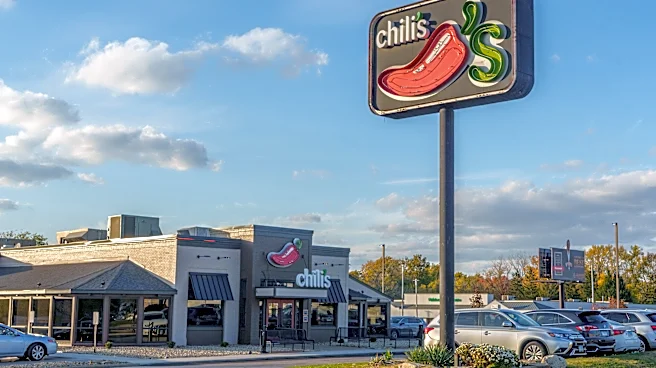
Three customers at a Chili’s restaurant in Forest City, North Carolina, reportedly suffered chemical burns in and around their mouths after an employee mistakenly used a granulated degreaser instead of sugar to prepare their margaritas. The incident occurred
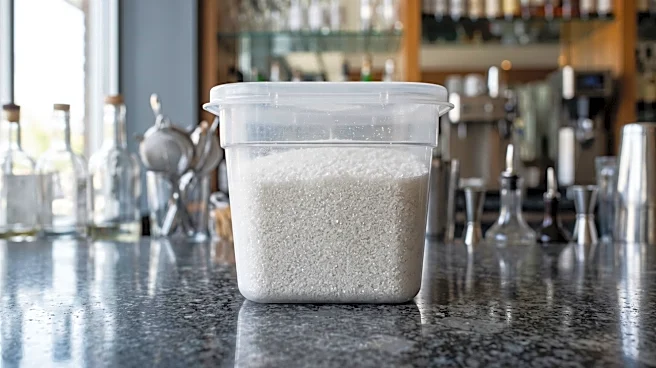
on a Wednesday when a contractor was power-washing the restaurant's exterior, and a worker placed some degreaser into an unlabeled container. This container somehow ended up behind the bar, where another employee, believing it to be sugar, used it in drink preparation. Customers immediately noticed something was wrong, alerted staff, and sought medical attention. Following the incident, two employees also tasted the powder and developed similar symptoms. The Foothills Health District suspended Chili’s food service permit, ordering a thorough cleaning. The restaurant was allowed to reopen the following Thursday after passing a food safety inspection.
Why It's Important?
This incident underscores critical food safety and chemical handling protocols in the restaurant industry. The accidental substitution of a cleaning chemical for a food ingredient poses severe health risks to consumers, ranging from chemical burns to more serious internal injuries. It highlights the potential dangers of improper labeling and storage of hazardous materials within food service establishments. The suspension and subsequent reopening of the restaurant by the health district emphasize the regulatory body's role in ensuring public safety and the importance of adherence to health codes. This event could lead to increased scrutiny and enforcement of chemical storage and labeling practices across the U.S. restaurant sector, potentially prompting new training initiatives for employees on hazard identification and prevention.
What's Next?
Health District Director Jason Masters emphasized that the incident demonstrates the necessity for restaurants to properly label, store, and handle cleaning chemicals. This statement suggests that regulatory bodies may increase their focus on these aspects during future inspections. While the restaurant has reopened, the incident could lead to a review of internal safety protocols by Chili's corporate management to prevent similar occurrences. Customers, like the regular who expressed nervousness about returning, may remain wary, potentially impacting the restaurant's local business. The event also serves as a cautionary tale for the broader food service industry, likely prompting other establishments to re-evaluate their own chemical management practices to avoid similar liabilities and health crises.
Beyond the Headlines
The incident at Chili's is not isolated, with previous cases of cleaning products being mistaken for food ingredients in other restaurants leading to severe injuries and even fatalities. This recurring problem points to a systemic vulnerability in food service operations regarding chemical safety. Beyond immediate health concerns, such events erode public trust in restaurant safety and can have long-term psychological impacts on affected individuals. The lack of proper labeling and storage, as highlighted by this event, suggests a need for more stringent industry-wide standards and potentially legislative action to mandate clearer guidelines for handling hazardous substances in food preparation areas. This could also spur innovation in packaging and dispensing systems for cleaning chemicals to prevent accidental ingestion.