






What's Happening?
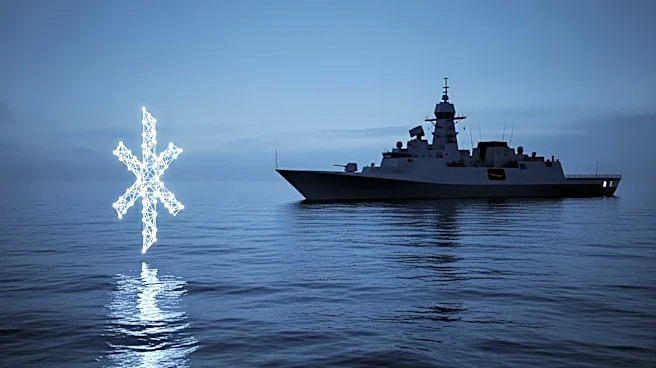
A Dutch regional broadcaster, Omroep Gelderland, successfully tracked the Royal Netherlands Navy air-defense frigate Evertsen by sending a Bluetooth tracker to the ship via military mail. The frigate, part of a carrier strike group around France's Charles
de Gaulle aircraft carrier, was monitored in real-time for 24 hours before the tracker was discovered during mail sorting on board. The Dutch Ministry of Defence is taking measures in response to this security breach. The incident highlights vulnerabilities in military mail systems, as the tracker was sent undetected in a postcard, bypassing X-ray scanning procedures. The Ministry has since prohibited sending greeting cards with batteries to the Evertsen and is reviewing military mail guidelines.
Why It's Important?
This incident underscores significant security concerns regarding military operations and the potential risks posed by seemingly innocuous devices. The ability to track a military vessel in real-time could have severe implications for operational security, potentially exposing ships to threats such as missile attacks. The event highlights the need for enhanced security protocols in military logistics and communication systems to prevent similar breaches. It also raises questions about the adequacy of current security measures and the need for a shift in mindset towards more proactive and comprehensive security strategies.
What's Next?
In response to the incident, the Dutch Ministry of Defence is expected to implement stricter security measures for military mail and review existing protocols to prevent future occurrences. This may involve enhanced screening processes and stricter regulations on what can be sent to military personnel. The incident may also prompt other NATO countries to reassess their security measures to protect against similar vulnerabilities. Additionally, there could be increased scrutiny and potential policy changes regarding the use of commercial tracking devices in sensitive military contexts.