

What's Happening?
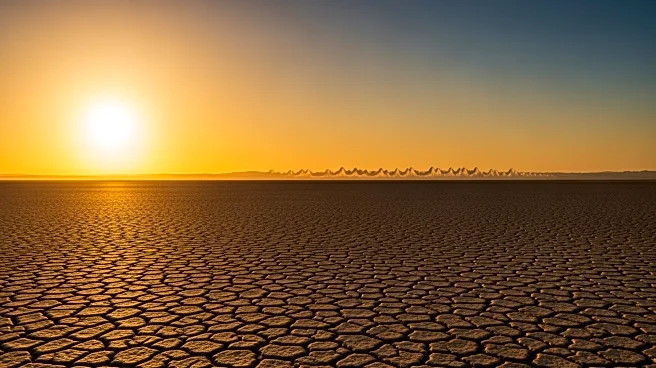
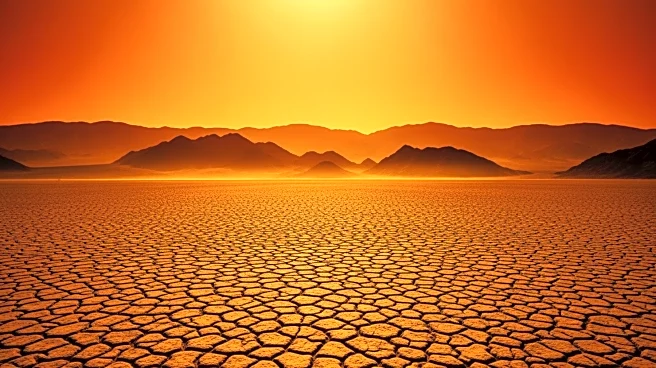
The U.S. is bracing for a year of extreme weather as a massive heat wave hits the Western states and a potential El Niño event looms. The National Weather Service has issued heat warnings for parts of California, Arizona, and Nevada, with record-breaking
temperatures expected. This heat wave is part of a broader pattern of warming, with snowpack levels in the West at record lows. Meanwhile, there is a more than 60 percent chance of an El Niño event emerging later this year, which could exacerbate weather extremes. El Niño typically increases global temperatures and alters weather patterns.
Why It's Important?
The combination of a prolonged heat wave and a potential El Niño event could have significant implications for the U.S., particularly in terms of water resources, agriculture, and wildfire risk. Low snowpack levels threaten water supplies for millions of people in the West, while the heat wave increases the risk of wildfires. An El Niño event could further disrupt weather patterns, leading to more frequent and severe weather events. These developments highlight the challenges of managing natural resources and infrastructure in the face of climate variability and underscore the importance of climate adaptation strategies.
What's Next?
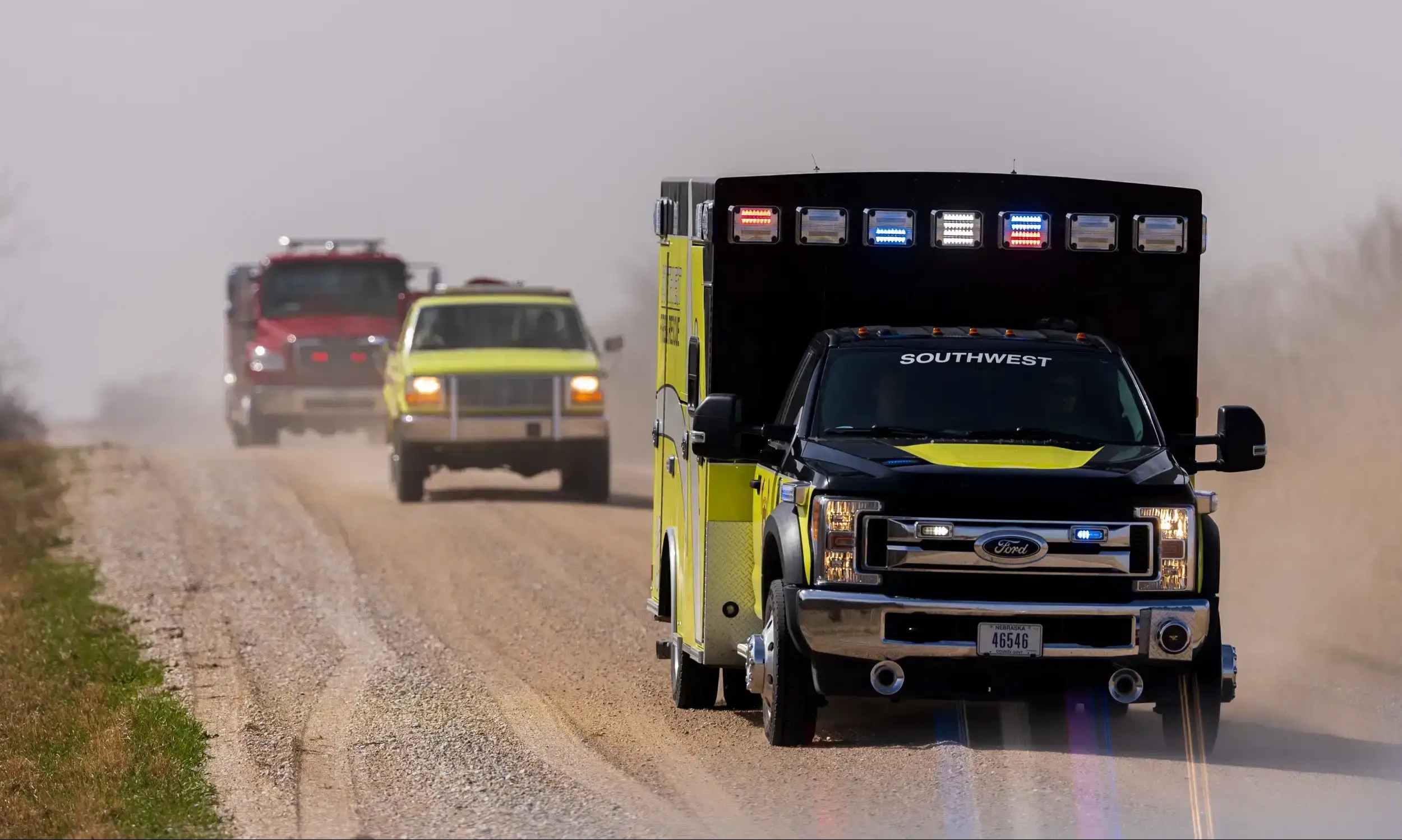
As the heat wave continues, authorities will need to manage the immediate impacts, such as increased energy demand and wildfire risk. In the longer term, preparations for a potential El Niño event will be crucial, including monitoring weather patterns and adjusting water management strategies. Policymakers and scientists may also focus on improving climate resilience and adaptation measures to mitigate the impacts of extreme weather. Public awareness and preparedness campaigns could play a key role in helping communities cope with the anticipated challenges.