




What's Happening?
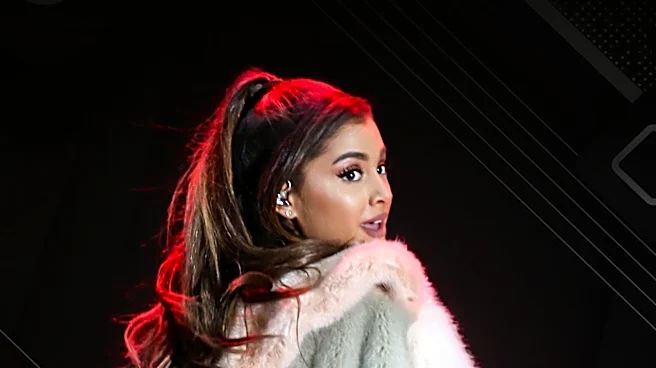
Ariana Grande has publicly criticized the Trump administration for using her song 'We Can’t Be Friends (Wait For Your Love)' in a social media post without her permission. The song was featured in a Team Trump TikTok video that included statements regarding
women’s sports and gender roles. Grande expressed her disapproval, stating that the administration's 'truth is false' in response to the unauthorized use of her music. This incident highlights a recurring issue where musical artists object to their work being used by political campaigns, particularly when the artists' views conflict with those of the campaign. The use of popular music in political messaging often aims to connect with a broader audience, but without artist consent, it can lead to public disputes and accusations of misrepresentation.
Why It's Important?
This event underscores the ongoing tension between artists' intellectual property rights and political campaigns' use of media for outreach. For artists like Ariana Grande, the unauthorized use of their music by political figures, especially those whose ideologies they oppose, can be seen as an endorsement or misrepresentation of their personal and professional brand. This can alienate their fanbase and dilute the intended message of their art. For political campaigns, such incidents can lead to negative publicity, legal challenges, and accusations of disrespecting artistic integrity. It also raises questions about the ethical boundaries of social media engagement in politics and the responsibility of campaigns to secure proper licensing for creative content. The broader implication is a potential chilling effect on artists' willingness to create or share their work if they fear it will be co-opted for political agendas they do not support.
What's Next?
The immediate next steps could involve legal action from Ariana Grande's representatives against the Trump administration for copyright infringement, though many artists choose public condemnation over protracted legal battles. The Trump campaign may choose to remove the video or issue a statement, or they might ignore the criticism, depending on their strategic assessment of the impact. This incident could also prompt other artists to more explicitly state their policies regarding political use of their music or to take pre-emptive measures to prevent such unauthorized use. Furthermore, it might lead to increased scrutiny from social media platforms regarding the content posted by political entities, potentially influencing their policies on intellectual property rights and political advertising. The event could also spark further public debate on the intersection of celebrity, music, and politics.
Beyond the Headlines
Beyond the immediate dispute, this situation highlights the evolving landscape of intellectual property in the digital age, particularly concerning social media. The ease with which content can be shared and repurposed on platforms like TikTok creates challenges for copyright holders to control the narrative and context surrounding their work. This incident also touches upon the broader cultural phenomenon of artists using their platforms to engage in political discourse and the expectation from their audience that their values align with their public actions. The 'truth is false' statement from Grande suggests a deeper concern about the dissemination of information and the perceived manipulation of public sentiment through media. It reflects a growing trend where cultural figures are increasingly vocal about political issues, blurring the lines between entertainment and activism, and demanding accountability from political actors regarding their use of cultural products.