






What's Happening?
East Asia is experiencing an extraordinary wave of intense and unpredictable typhoons, exacerbated by the El Niño weather pattern. This phenomenon has led to record-high ocean temperatures in the Pacific, which is described as 'burning with fever' by Ana
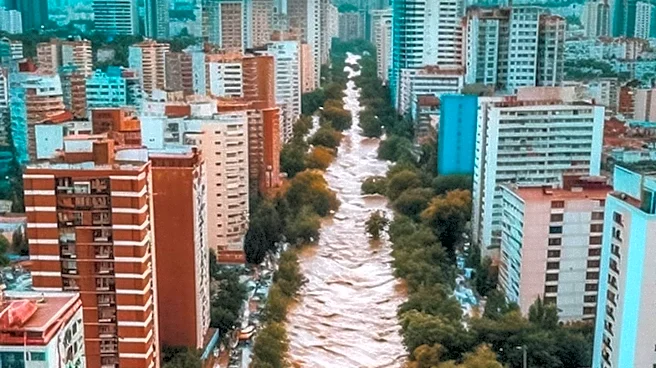
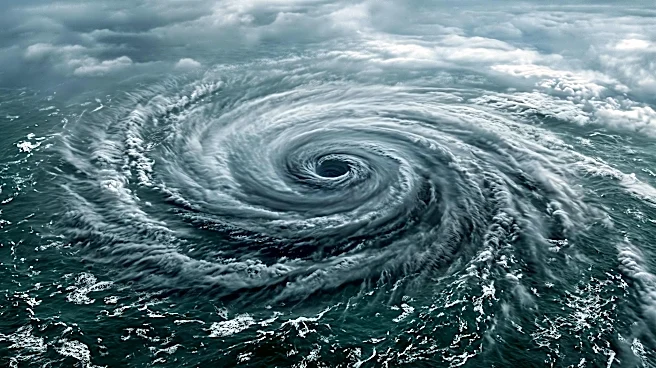
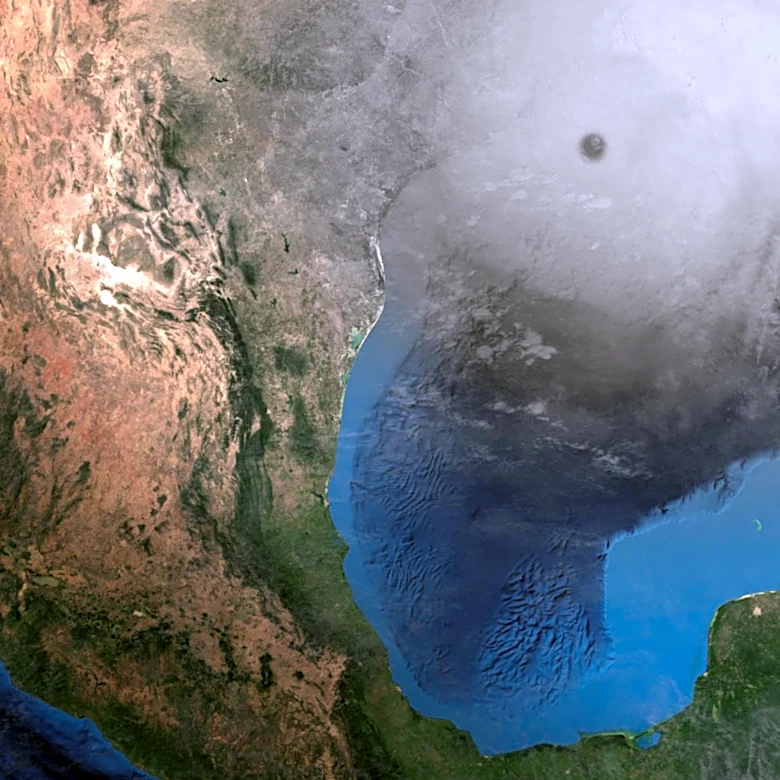
Liza Solis, head of climatology at the Philippines' national weather bureau. The Accumulated Cyclone Energy (ACE) metric, which measures the total intensity of a season's storms, is forecast to be nearly double the 30-year average for Southeast and East Asia this year. El Niño is also altering wind patterns, causing typhoons to form further east and gain strength by remaining over warm waters for longer periods. For instance, Typhoon Champi, equivalent to a category five hurricane with 295km/h winds, approached Taiwan in October, causing widespread disruption and flight cancellations across Hong Kong, Taiwan, and Japan. Another example is Typhoon Chan-Hom in August, which crossed Japan from east to west, an unusual trajectory. These storms have resulted in dozens of fatalities, airport closures, and significant damage to crops and infrastructure.
Why It's Important?
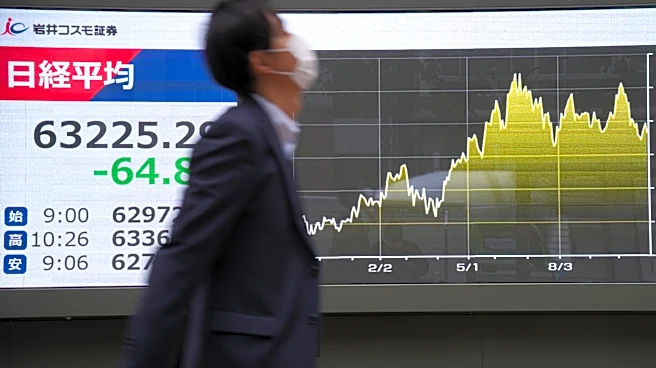
The intensified typhoon activity in East Asia, driven by El Niño, carries significant implications for global supply chains and economies, including those in the U.S. Many U.S. businesses rely on goods manufactured and transported through this region. Disruptions to major airports, infrastructure, and agricultural production, particularly rice, can lead to increased costs, delays, and potential shortages of goods. The unpredictable nature and increased intensity of these storms pose a direct threat to the stability of trade routes and manufacturing hubs. While the immediate impact is regional, the interconnectedness of the global economy means that U.S. consumers and industries could face higher prices and reduced availability of products. Furthermore, the long-term effects of climate change, as highlighted by the 'very, very scary' simulations showing increased rainfall with higher temperatures, suggest a future of heightened disaster risks that could perpetually strain international commerce and humanitarian aid efforts.
What's Next?
Countries in East Asia are actively preparing for continued and potentially worsening impacts. Japan has advised its citizens to stockpile food and essentials and secure outdoor furniture, while China is upgrading its warning and monitoring systems and identifying vulnerable areas. The Philippines and other Southeast Asian nations are focusing on food production disruptions, particularly for rice, and increasing support for farmers. Forecasts indicate that sea surface temperatures in the equatorial Pacific could continue to rise over the next three months, suggesting that the current El Niño, predicted to be one of the strongest in living memory, will persist until at least February or March. This ongoing situation necessitates sustained preparedness and adaptation strategies across the region, with a focus on building resilience in infrastructure and communities to mitigate future shocks. The United Nations Development Programme in Asia and the Pacific emphasizes that the severity of El Niño's impact is determined by long-term planning in areas like infrastructure, water management, and social protection.
Beyond the Headlines
The escalating typhoon activity underscores the profound and complex interplay between natural climate phenomena like El Niño and the broader context of global climate change. The record-high ocean temperatures are not merely a cyclical event but are amplified by long-term warming trends, suggesting that future El Niño events could be even more severe. This situation highlights the urgent need for international cooperation on climate mitigation and adaptation. The unusual storm paths, such as Typhoon Chan-Hom's east-to-west trajectory, challenge established disaster preparedness models and necessitate a re-evaluation of traditional storm tracking and response strategies. The simulations showing increased rainfall with higher temperatures point to a future where flooding becomes a more dominant and destructive force, potentially leading to mass displacement and humanitarian crises. This also brings to light the ethical dimension of climate justice, as vulnerable communities in developing nations often bear the brunt of these intensified natural disasters, despite contributing less to the underlying causes of climate change.