






What's Happening?
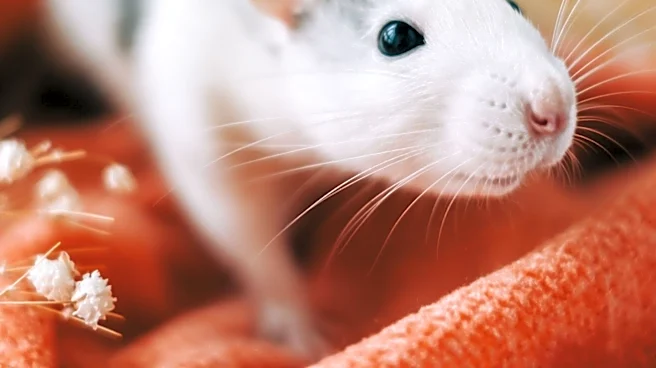
The Central District Health Board has earmarked $250,000 to address the growing problem of invasive rat species in the Treasure Valley. This allocation follows an alarm raised in July by Rep. John Gannon (D-Boise), who collaborated with a Republican legislator
to highlight the rapid spread of Norway and roof rats. They urged local officials to develop a coordinated plan to combat these pests. Since February, authorities have been monitoring the increasing presence of Norway rats, which have established themselves and are spreading quickly throughout the Treasure Valley. The issue has gained significant attention, with Rep. Gannon's opponent in the District 17 election, James Nechwedowich, also discussing the ongoing rat problem on Idaho Matters.
Why It's Important?
The allocation of significant funds by the Central District Health Board underscores the severity of the invasive rat problem in the Treasure Valley. The rapid proliferation of Norway and roof rats poses substantial public health risks, as these rodents can carry and transmit various diseases, contaminate food sources, and cause structural damage to homes and infrastructure. Economically, unchecked rat populations can lead to increased costs for pest control, property repairs, and potential losses for agricultural businesses. The bipartisan concern raised by Rep. John Gannon and his Republican counterpart highlights the broad recognition of this issue as a community-wide threat, transcending political divides. This funding is crucial for implementing a centralized and effective strategy to mitigate the health and economic impacts of these invasive species on the affected communities.
What's Next?
With the $250,000 earmarked, the next steps will likely involve the development and implementation of a centralized plan to fight the invasive rat populations. This plan could include enhanced monitoring, increased pest control measures, public awareness campaigns on rat prevention, and potentially research into more effective eradication methods. Local officials, potentially in collaboration with public health experts and pest management professionals, will need to coordinate efforts across the Treasure Valley to ensure a comprehensive approach. The ongoing public discussion, including the involvement of political figures like Rep. Gannon and his opponent, suggests that the issue will remain a priority, and there will likely be continued scrutiny on the effectiveness of the implemented strategies. The success of these efforts will depend on sustained funding, inter-agency cooperation, and community engagement.
Beyond the Headlines
The invasive rat problem in the Treasure Valley, and the subsequent funding allocation, points to a broader ecological challenge faced by many urban and suburban areas: the increasing encroachment of wildlife into human habitats and the associated public health and environmental consequences. Beyond immediate pest control, this situation highlights the need for sustainable urban planning and waste management practices that minimize attractants for rodents. It also brings to light the interconnectedness of environmental health and human well-being, as invasive species can disrupt local ecosystems and introduce new health threats. The long-term implications could involve a re-evaluation of how communities manage their ecological footprint and adapt to changing environmental conditions to prevent similar outbreaks in the future. This event serves as a microcosm of the larger challenges posed by climate change and urbanization on biodiversity and public health.